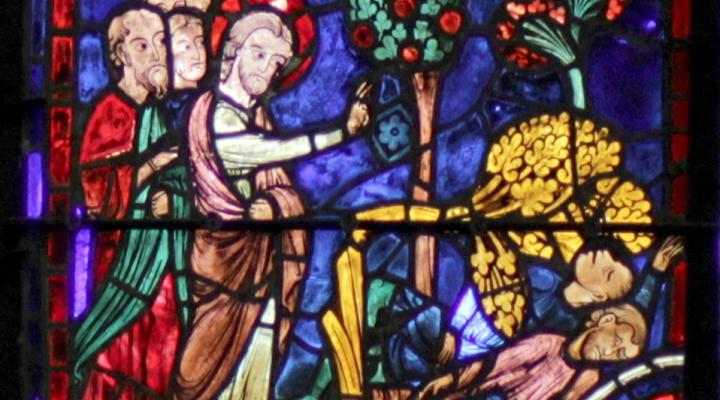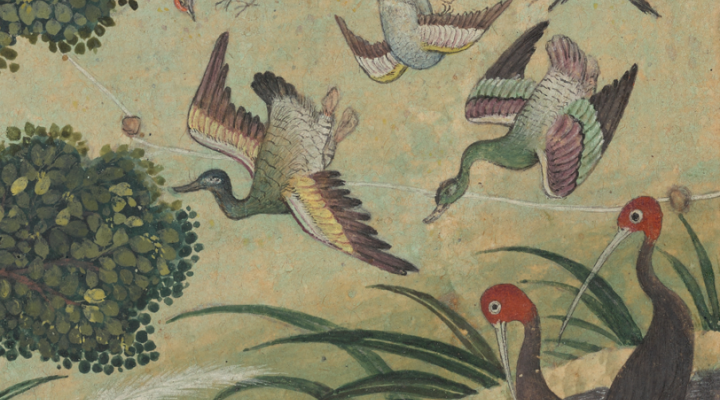
Zahīr ud-Dīn Muhammad Bābur’s autobiography anticipates an ecological and multispecies way of understanding the environment, highlighting confluence rather than divergence between humans and nonhumans.
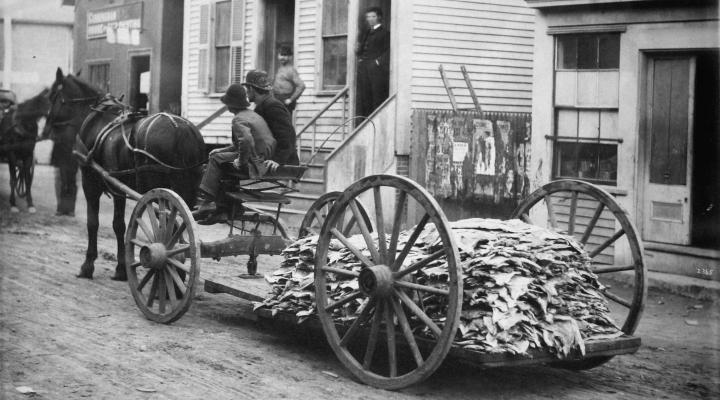
Although known today more for beaches than blazes, Cape Cod experienced severe wildfires in 1887 that—when remembered—draw attention to the region’s inherent flammability and need for fire-adaptive management.
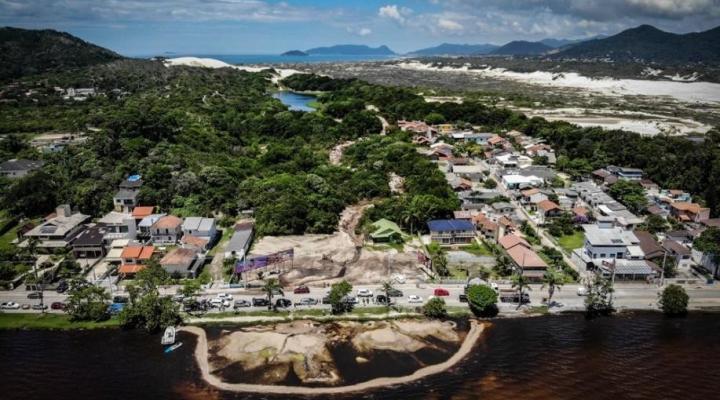
Villagers witness and push to maintain ecological relations in the face of development that has decimated olive groves and scattered fences and turbines.
Across a century and a half, colonial, private and government salt farming at Sambhar has transformed the ecology of the lake and caused a slow cataclysm of pollution, affecting wildlife and livelihoods.
Land conservation initiatives underwent rapid change in early twentieth-century Wisconsin, culminating in the protection of hundreds of local natural areas scattered across the state.
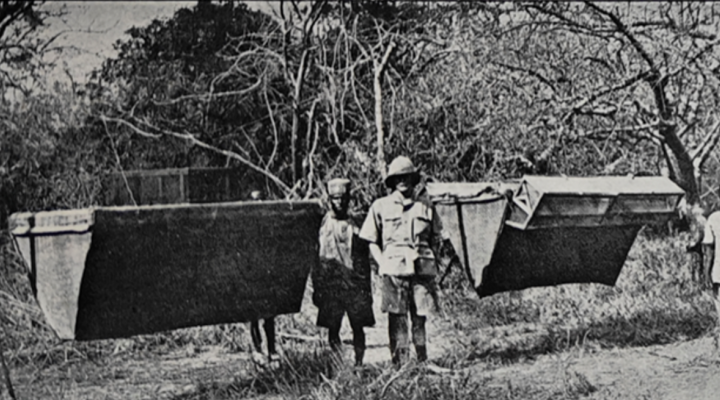
Tropical humidity necessitated a quest for rust-proof insect pins, determining which specimens could be preserved, which tools could be used, and ultimately what knowledge could be produced in the Dutch East Indies.
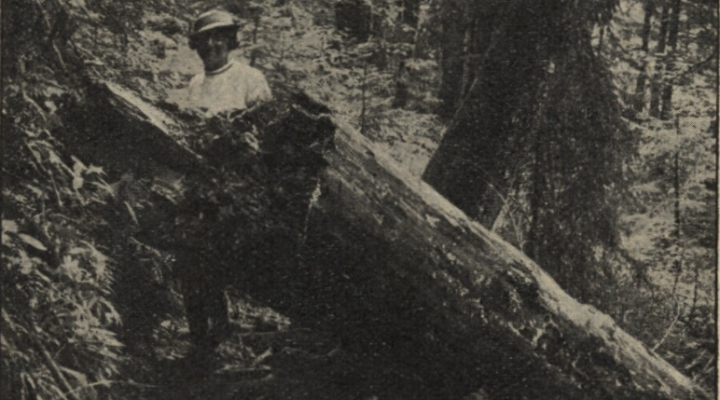
The Andean-Amazonian conservation area Cordillera Escalera reveals the history of a forest whose ecological integrity is due to the native population’s efforts to preserve it.
Indonesian state experts introduced invasive species into West Papua, a deliberate ecological disruption that advances a colonial agenda disguised as development.
José Miguel Moura Ferreira, Miguel Carmo, Inês Gomes, and Marta Silva
In 1966, historian Albert Silbert highlighted the longstanding importance of fire in the traditional Portuguese rural economy, at a time when such practices were being erased from the landscape.
Arcadia: Explorations in Environmental History is an open-access, peer-reviewed publication platform for short, illustrated, and engaging environmental histories. Embedded in a particular time and place, each story focuses on a site, event, person, organization, or species as it relates to nature and human society. By publishing digitally on the Environment & Society Portal, Arcadia promotes accessibility and visibility of original research in global environmental history and cognate disciplines.