Climate Communication in Education Beyond Academia
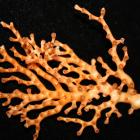
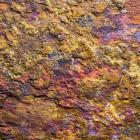
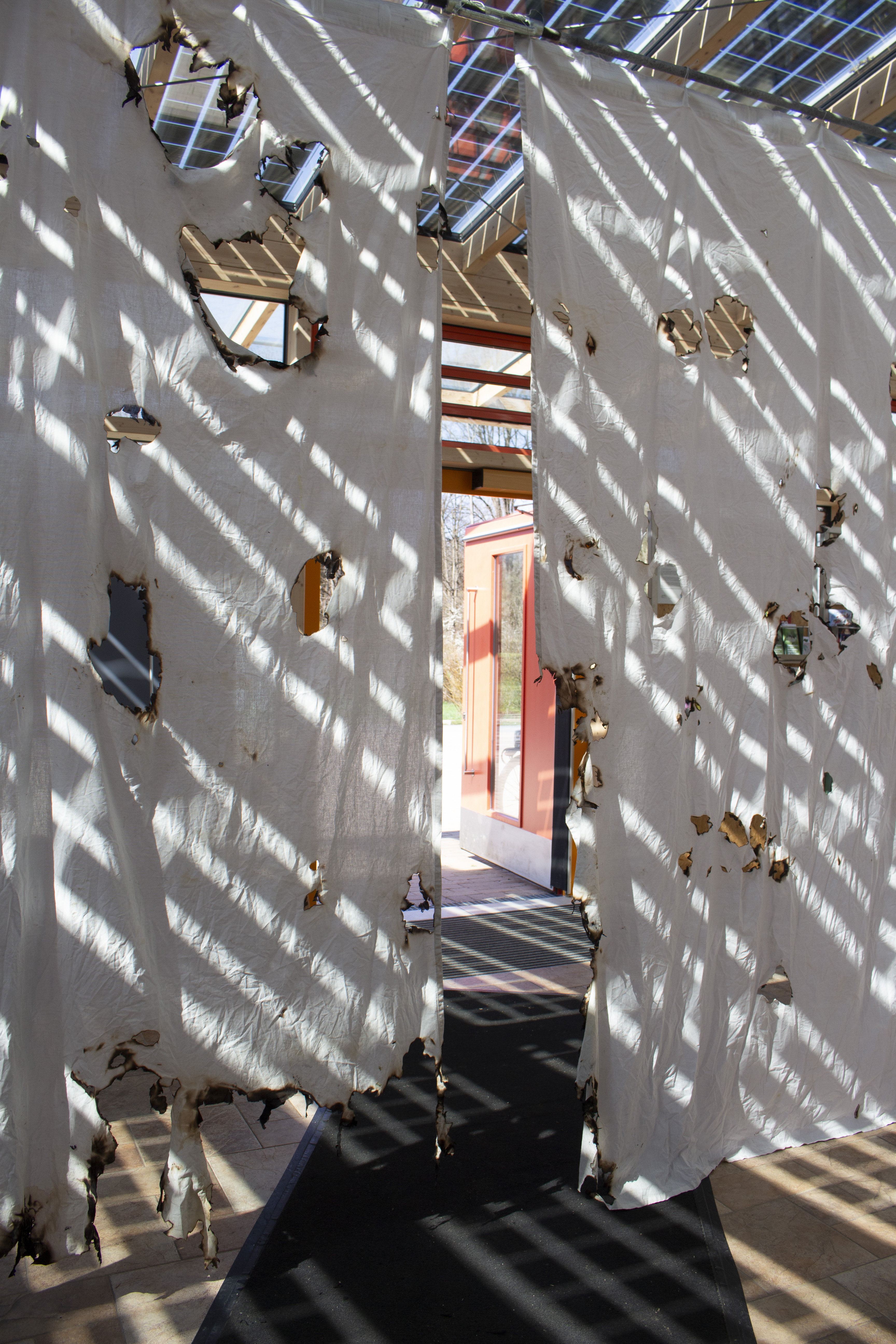
Veronika Angermeier, Veil of Ignorance,
2025, fabric and fire.
Amitav Gosh once said: “We live in a culture of ignorance.” This artwork aims to represent society‘s tendency to ignore, to suppress, and to turn away from the many crises facing the planet and humanity. It is an invitation to step into the unknown—the uncomfortable realities of fear, uncertainty, and overwhelm. At the same time, it encourages reflection, mindfulness, and curiosity—an opportunity to regain hope and slowly navigate a path forward.
Veronika Angermeier, Veil of Ignorance,
2025, fabric and fire.
Amitav Gosh once said: “We live in a culture of ignorance.” This artwork aims to represent society‘s tendency to ignore, to suppress, and to turn away from the many crises facing the planet and humanity. It is an invitation to step into the unknown—the uncomfortable realities of fear, uncertainty, and overwhelm. At the same time, it encourages reflection, mindfulness, and curiosity—an opportunity to regain hope and slowly navigate a path forward.
Artwork © Veronika Angermeier. All rights reserved. Photo © Malte Sattig. Used by permission.
The copyright holder reserves, or holds for their own use, all the rights provided by copyright law, such as distribution, performance, and creation of derivative works.
In an era characterized by environmental emergency, I believe that education has a fundamental role to play in promoting a more ecological relationship with our planet. As a teacher, I aim to foster this awareness in upper-secondary-school students whom I teach English as a foreign language (EFL). Part of my theoretical toolbox are the ecological humanities and ecocriticism, which I include in the upper-secondary-level curricula. By focusing on socioenvironmental topics in language teaching, I help students develop a deeper understanding of how to make sense of climate change. As Arran Stibbe (2021) shows in his work, language can shape ecological awareness, inform sustainable practices, and contribute to environmental justice.
To achieve this, I am working with “education for critical consciousness,” based on the theories of Paulo Freire (1974) and Boaventura de Sousa Santos’ Epistemologies of the South: Justice Against Epistemicide (2014). The former emphasizes the importance of dialogue and conscientização (“awareness”), empowering students to actively engage in their learning and reject paternalistic educational models that limit their agency (Freire 1970). The latter challenges traditional Eurocentric epistemological frameworks and highlights the relevance of the knowledge produced by marginalized populations. Both form the basis for an ecopedagogical approach to education, which can be understood as an educational philosophy that integrates ecological principles with pedagogical practices to foster critical awareness and a sense of environmental responsibility (Misiaszek 2025).
An Interdisciplinary Perspective: The Case of Gun Island
The novel Gun Island by Amitav Ghosh is a great example that helps me illustrate this mission and my methodological approach, as it can serve as a springboard for interdisciplinary learning on climate-change issues in upper-secondary school. The breadth of themes, settings, and characters allows students to explore the book’s climate-related narratives through various curricular disciplines, including geography, history, natural sciences, art, and religion. EFL can serve as a common foundation for such interdisciplinary cooperation, as it allows for the joint exploration of climate awareness and its environmental and societal impact, amongst and beyond individual subjects. This interdisciplinary ecopedagogical vision is at the heart of the “systemic English” approach, an evolving approach in EFL teaching I developed during classes at the Aldini Valeriani and Lazzaro Spallanzani technical and vocational institutes in Italy to promote and empower students to communicate ecological awareness (Magagnoli 2022; Magagnoli 2023).
A Place-Based Ecopedagogical Framework
I argue that an ecopedagogical engagement with the themes of the novel enables students to think critically and reflect on how climate issues relate to their personal lives and practices, and how their area of residence contributes to and is affected by climate change (Misiaszek 2025). This helps them situate their knowledge, gives them tools to see connections, and explore the topic’s extended planetary complexity.
Building on Boaventura de Sousa Santos’ call to recognize and engage with diverse epistemologies, my pedagogical approach to language teaching is intentionally place based (Sobel 2004). In the context of a technical-vocational school, this is not always straightforward. It often results in the paradoxical situation that the students who are most directly affected by the consequences of climate change—those whose lives and communities are already entangled with or who are fleeing from a precarious environmental situation—are also those who have the weakest linguistic means to articulate their experiences and knowledge in class. This tension highlights the limitations of traditional language education, especially when the materiality of students’ lived realities is being ignored. Therefore, I have been experimenting with pedagogical strategies that foreground students’ territorial entanglements to create spaces where these can be expressed in a supportive learning environment and validated through language learning and interdisciplinary extension to other school subjects.
I suggest that the above paradox can be approached through works such as Amitav Ghosh’s novel Gun Island. The story not only offers multiple entry points from various curricular disciplines but also tells of different livelihoods and lived experiences across the globe. Narrating precarious perspectives as well as affluent ones, weaving the story together through characters with different positionalities, worldviews, and cultural backgrounds—from the Sundarbans to Venice and beyond—I can imagine that the novel might offer students different points of reference to their own lived experience. Moreover, a material- and multimedia-based teaching approach to the novel can inclusively help students understand complex concepts and acquire the language skills needed to discuss the topic. Drawing on Antonio Lopez’s insights on media literacy as a tool for critical consciousness (2008), I propose that using a variety of media can help students grasp complex concepts and find new ways to express their experiences, thereby overcoming linguistic barriers.
An Intervention in Reality
One of my previous projects supports these assumptions. Once students had sufficient linguistic tools and the opportunity to see themselves in new epistemic dimensions, most of them became interested in exercising this newly acquired emancipation. They expressed not only their new awareness of their own identity regarding environmental protection and ecological interconnectedness but also commented on their agency in view of these (Magagnoli, forthcoming). In short, together with language competence, the students also furthered their critical-thinking skills. Alongside their English skills, they attained a higher environmental literacy. My classroom experience showed that by engaging with the environmental humanities and by developing ecocritical and ecolinguistic competences, most of them developed a greater sense of responsibility for the environment and an increased motivation to take action to protect it. The promotion of environmental stewardship through environmental action opened students’ “horizons of concrete possibilities” and exposed them to what Santos conceptualizes as the “ecology of knowledges” (2014, 184) The cognitive construction of their transdisciplinary language-learning process was the outcome of knowledge as, in Santos’ words, intervention in reality, not knowledge as a representation of reality. In this pedagogical context, the novel Gun Island has the potential to help EFL students shift their understanding of the planet and its current climate challenges by moving from a passive representation of reality to an active, transformative engagement with it. To conclude, the novel could serve as a powerful tool for ecopedagogy in EFL, encouraging students to develop not only language skills but also the critical consciousness needed to become agents of positive change in a world defined by environmental precarity.
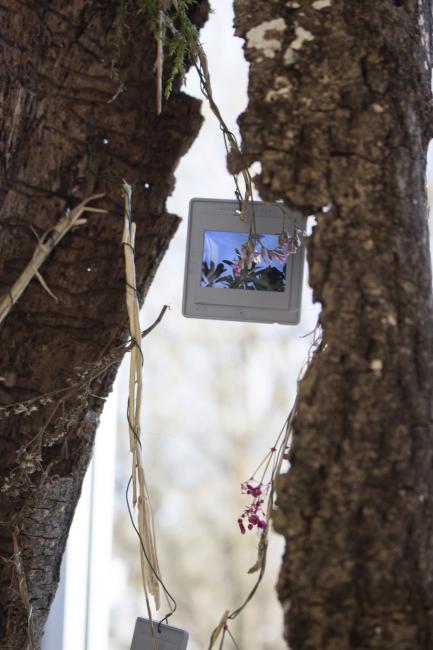
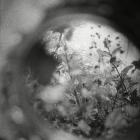
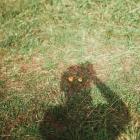
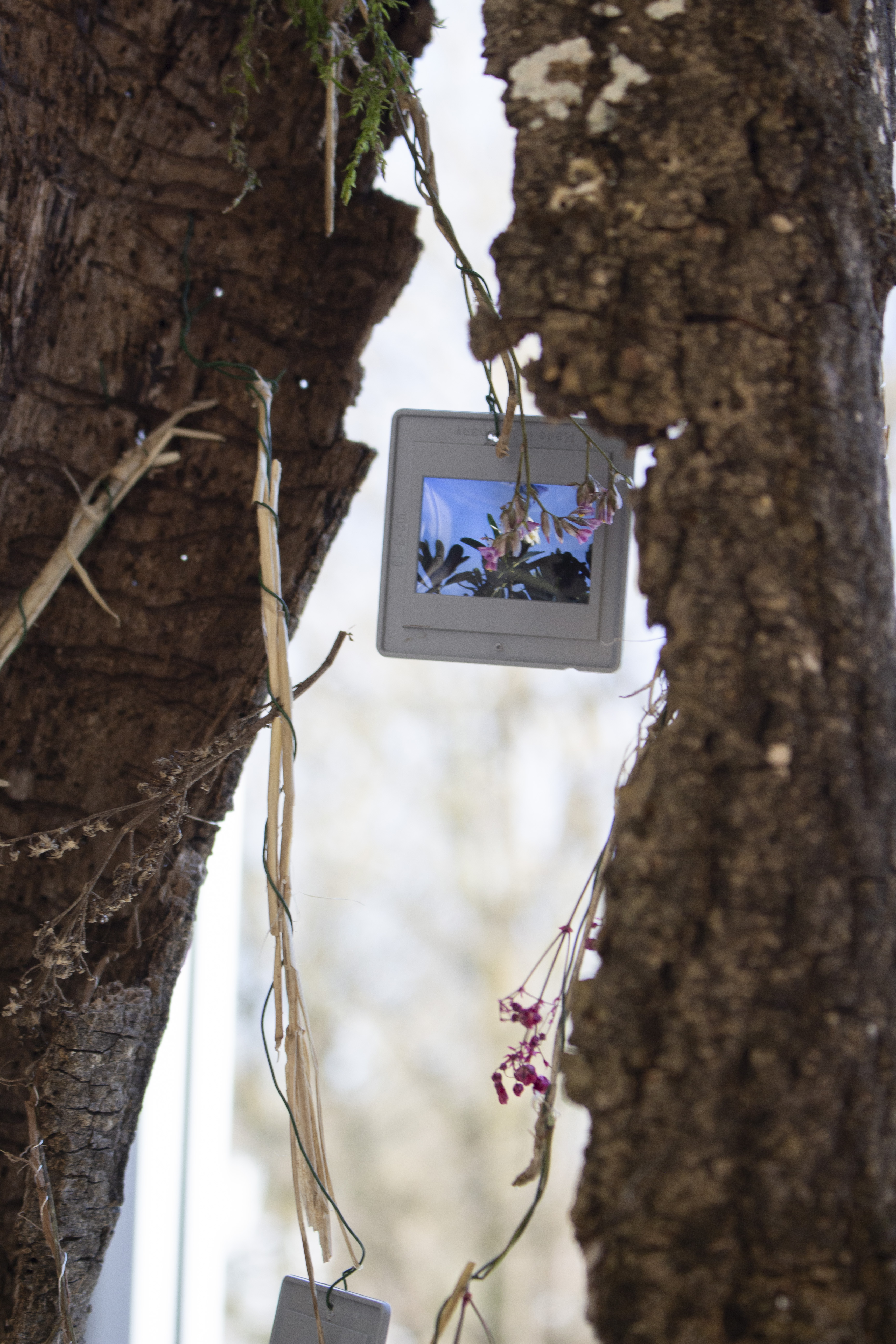
Klara Wrusch, Multiplicity of Collapse,
2025, tree bark, diapositives, dried flowers, and spoken text.
We live in a time of massive breakdown creating innumerable patches of undoing. What do the endings we live through teach us? Maybe valuable messages can be gleaned from leaning into the pain; maybe our personal encounters with grief can prepare us to mourn our patch of this world, our shared world. This is what I explore by sensing how grieving the death of my dad guided me to grieve a rapidly changing world. I am discovering again and again that grieving can transform a once solid, distant, and frozen relationship into one that is filled with life, full of nuance, ever evolving. This is an invitation to unthaw our senses and meet the vulnerability of the present moment with compassion. This is an invitation to let the personal be political, the local be global, deeply embedded in the world.
Klara Wrusch, Multiplicity of Collapse,
2025, tree bark, diapositives, dried flowers, and spoken text.
We live in a time of massive breakdown creating innumerable patches of undoing. What do the endings we live through teach us? Maybe valuable messages can be gleaned from leaning into the pain; maybe our personal encounters with grief can prepare us to mourn our patch of this world, our shared world. This is what I explore by sensing how grieving the death of my dad guided me to grieve a rapidly changing world. I am discovering again and again that grieving can transform a once solid, distant, and frozen relationship into one that is filled with life, full of nuance, ever evolving. This is an invitation to unthaw our senses and meet the vulnerability of the present moment with compassion. This is an invitation to let the personal be political, the local be global, deeply embedded in the world.
Artwork © Klara Wrusch. All rights reserved. Photo © Malte Sattig. Used by permission.
The copyright holder reserves, or holds for their own use, all the rights provided by copyright law, such as distribution, performance, and creation of derivative works.
2025, sound recording as part of the work Multiplicity of Collapse. © Klara Wrusch. All rights reserved.
Bibliography
de Sousa Santos, Boaventura. Epistemologies of the South: Justice Against Epistemicide. Routledge, 2014.
Freire, Paolo. Education for Critical Consciousness. Bloomsbury Academic, 1974.
———. Pedagogy of the Oppressed. Continuum Books, 1970.
López, Antonio. Mediacology: A Cultural Approach to Media Literacy in the Twenty-First Century. Peter Lang, 2008.
Magagnoli, Sabina. “Ambientalismo con gli adolescenti a lezione di lingua straniera tra consapevolezza ecologica e metabiofilia.” In Verso un’educazione sostenibile. Ecosistemi di ricerca e apprendimento, edited by Daniele Morselli and Giancarlo Gola. Zeroseiup, 2022.
Magagnoli, Sabina. “Fostering Sustainability and Climate Change Agency: An Ecopedagogical Visual-Radio Project in Technical-Vocational EFL.” Forthcoming.
Magagnoli, Sabina. “L’Inglese Sistemico.” In Trasformare l’educazione, edited by Liliana Dozza and Giancarlo Gola. Zeroseiup, 2022.
Magagnoli, Sabina. “Percorsi di educazione all’ambiente e alla cittadinanza in glottodidattica nella scuola secondaria di secondo grado.” In Con e per ogni ‘filo d’erba’: progettazione partecipata e percorsi di emancipazione dentro e fuori la scuola, edited by Elena Zizioli and Alessandro D’Antone. Zeroseiup, 2023.
Misiaszek, Greg William. Ecopedagogy and the Global Environmental Citizen: Critical Issues, Trends, Challenges and Possibilities. Routledge, 2025. doi:10.4324/9781032713496.
Sobel, David. Place-Based Education: Connecting Classrooms and Communities. Orion Society, 2004.
Stibbe, Arran. Ecolinguistics: Language, Ecology and the Stories We Live By. Routledge, 2021. doi:10.4324/9780367855512.
Amitav Ghosh in Munich: Inspirations, Insights, and Storytelling
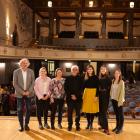
In the fall of 2024, Amitav Ghosh visited the Rachel Carson Center for Environment and Society as part of the project “One Book—Many Worlds: Munich Reads Gun Island by Amitav Ghosh.” This exhibition emerges from the multifaceted discussion of climate change and its challenges conducted in the “One Book—Many Worlds” project and grapples with the question of the role of literary fiction in interdisciplinary academic exchange and climate communication beyond academia. Taking Amitav Ghosh’s recent writings on the global climate crisis, in particular the novel Gun Island, as a vantage point, the chapters in this exhibition engage with various aspects Gun Island from different disciplinary perspectives, drawing on storylines and narrative elements that allow a multifocal engagement with different social and ecological repercussions of climate change. Additionally, pieces from the spring 2025 taumelnd trauen, verschlungen bleiben student exhibition and winning and honorable mentions from the 2025 “Tell the Untold!” writing competition take the provocation to think creatively about the past and future of our environment and world further. Thereby, the exhibition chapters create a web of diverse thoughts on and readings of the role of storytelling for the contemporary interlinked social and environmental crises from a number of perspectives.
About This ExhibitionAbout the author