

Exhibition chapter
Imaginaries | Wetland Times
First chapter of the virtual exhibition “Wetland Times,” “Imaginaries.”
First chapter of the virtual exhibition “Wetland Times,” “Imaginaries.”
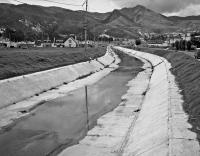
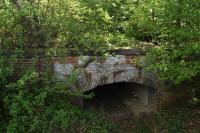
Former railway embankment Feldkirchner Tangente—Munich’s “Wild East”? For a short time, this bypass route was used by trains. For a long time, endangered fauna move about undisturbed across the former embankment, rare plants establish themselves, and local people go here for recreation and relaxation.
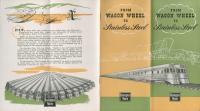
The Chicago, Burlington & Quincy Railroad played an important role in the transformation of settlement, agriculture, commerce, and recreation in North America. This is the introductory chapter of the virtual exhibition “Promotion and Transformation of Landscapes along the CB&Q Railroad” by environmental historian Eric D. Olmanson.
Vera Krause’s “How to Reimagine Our Doomed Futures Through Ursula K. Le Guin’s Lens: A Case Study in the Argentinian Wetlands” is a sympathetic account of a so-called capybara “invasion” in contemporary Buenos Aires, taking its cue from the anarchist fantasy of Ursula K. Le Guin to show the difference between invading and reclaiming one’s space. It was one of the two honorable mentions in the reflective essay category of the RCC environmental writing competition “Tell the Untold!”
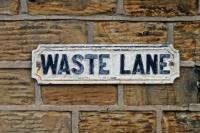
This chapter from the virtual exhibition “The Life of Waste” highlights people who live with waste—landfill workers, waste pickers, trash collectors, sanitation workers—and the social, economic, and health challenges they face.

Fröttmaninger Müllberg: Can One Simply Bury the Past?

Chapter 2 of the virtual exhibition Toxic Relationships: Uncovering the Worlds of Hazardous Waste.