


Arcadia
Mining and Environmental Destruction in Minas Gerais: A Historical Comparison
Historical documents indicate that the disasters caused by mining in Brazil are a reality since the eighteenth century.
Historical documents indicate that the disasters caused by mining in Brazil are a reality since the eighteenth century.
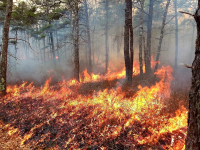
Although known today more for beaches than blazes, Cape Cod experienced severe wildfires in 1887 that—when remembered—draw attention to the region’s inherent flammability and need for fire-adaptive management.

Zahīr ud-Dīn Muhammad Bābur’s autobiography anticipates an ecological and multispecies way of understanding the environment, highlighting confluence rather than divergence between humans and nonhumans.

Miyaoi Yasuo’s 1858 collection of tales, Kidan zasshi, challenges assumed human–animal boundaries, portraying shared ethics, reincarnation, and emotional connections by blending folklore and insights drawn from Edo-period experience.
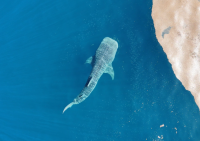
Whale sharks gather each year at Ningaloo Reef, their seasonal appearances drawing intensive human attention, reminding us that the story of the ocean is also our own story.

How a Japanese naturalist-polymath’s fascination with slime mold shaped a multispecies onto-epistemology—and a fierce campaign to protect shrines and sacred forests.
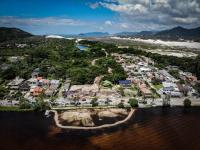
In 2021, a disaster in Florianópolis prompted a lawsuit that might have far-reaching effects on environmental law.
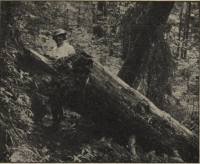
Interwar nature conservation in Subcarpathian Ruthenia created conditions for Albert Pilát’s research, which shaped modern mycology and forest awareness.

At the turn of the twentieth century, Gloucester, Massachusetts, emerged as one of the most significant US fishing ports.

A hagiographer tells us that when Martin of Tours made the sign of a cross at a falling pine tree, the tree felt fear and was forced to change direction.