The primeval forests and other ecosystems of the easternmost part of interwar Czechoslovakia were the focus of nature conservation initiatives among the then leading Czech conservationists. Botanist Alfred Hilitzer (1899–1940) and forester Alois Zlatník (1902–1979) surveyed the Subcarpathian Ruthenia region, and in 1932 they proposed the establishment of twelve nature reserves there. The Czechoslovak Ministry of Education, where Rudolf Maximovič (1886–1963), the central promoter of state conservation policy, worked, included these areas in a document informally called the “New Year’s Eve decree” (from 13 December 1933), an official inventory of protected areas that included an instruction sheet sent to schools, museums, and local authorities for standardizing how “natural monuments” and reserves were to be recorded and treated. A key idea expressed in the document was that society had a moral obligation to preserve old-growth forests, not only as natural heritage, but also as model ecosystems reflecting the conditions of the original ones, which then could be studied by scientists.
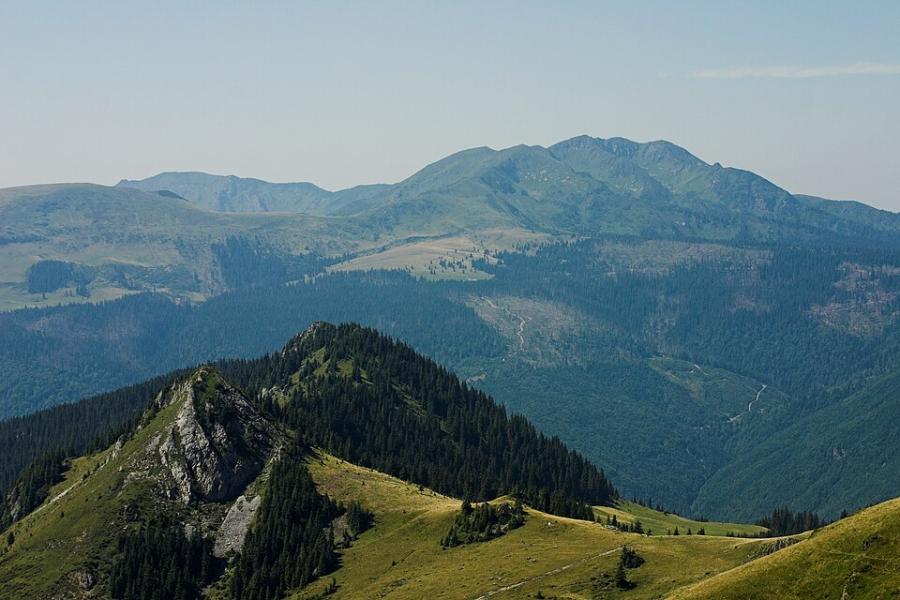
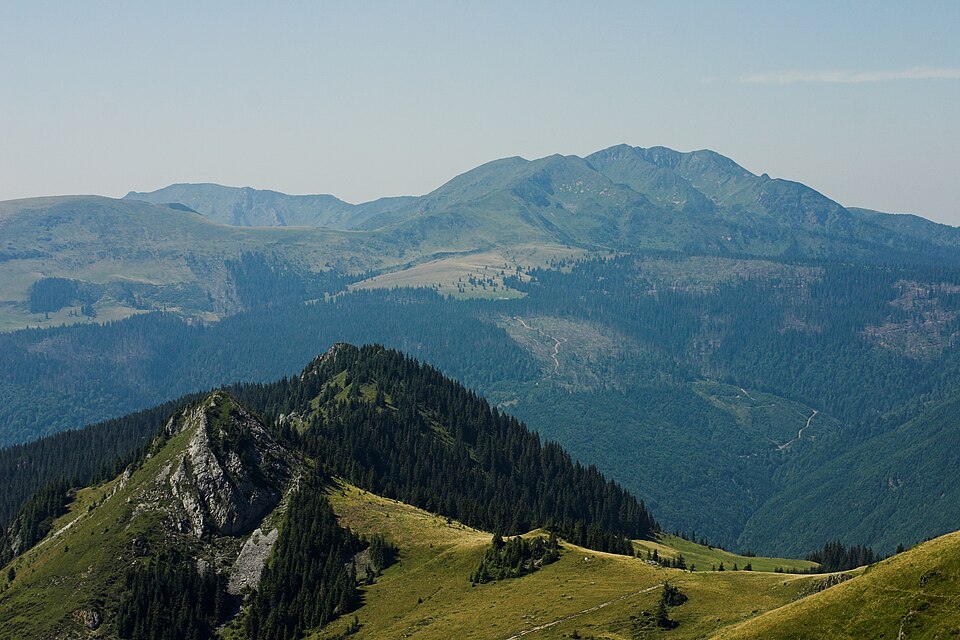
The massif of Pop Ivan in the Maramureş mountains today marks the border between Ukraine and Romania. In the interwar period, however, it was located on the southern border of Subcarpathian Ruthenia, the Chekoslovak region where the twelve nature reserves were established.
The massif of Pop Ivan in the Maramureş mountains today marks the border between Ukraine and Romania. In the interwar period, however, it was located on the southern border of Subcarpathian Ruthenia, the Chekoslovak region where the twelve nature reserves were established.
Photograph by Martin Kozák, 14 August 2008. Click here to view Wikimedia source.
 This work is licensed under a Creative Commons Public Domain Mark 1.0 License.
Although most nature reserves were located in the Czech lands, those in Slovakia, and especially in Subcarpathian Ruthenia, played an extraordinary role. This multicultural and predominantly agrarian region, remote from the Czech metropolitan centre, was widely perceived as an area of both natural and cultural backwardness. Such perceptions attracted leading scholars in geography, geology, anthropology, folkloristics, botany, as well as lichenology and mycology. In the absence of a colonial tradition, the region came to function for Czechoslovak scientists as a kind of surrogate colonial space: a landscape perceived as not yet fully transformed by modern civilization, and therefore as relatively close to a natural state in cultural, social, and environmental terms.
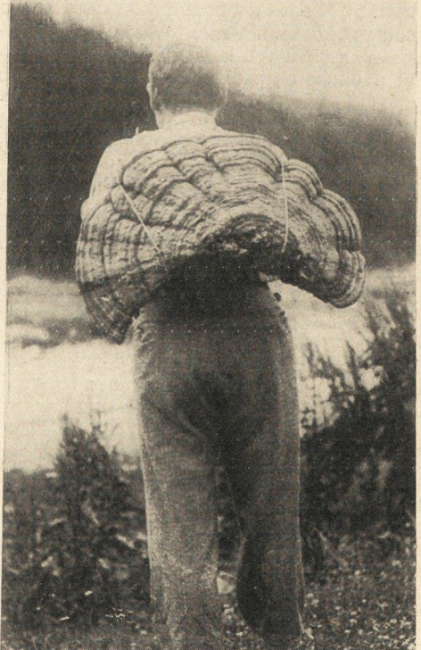
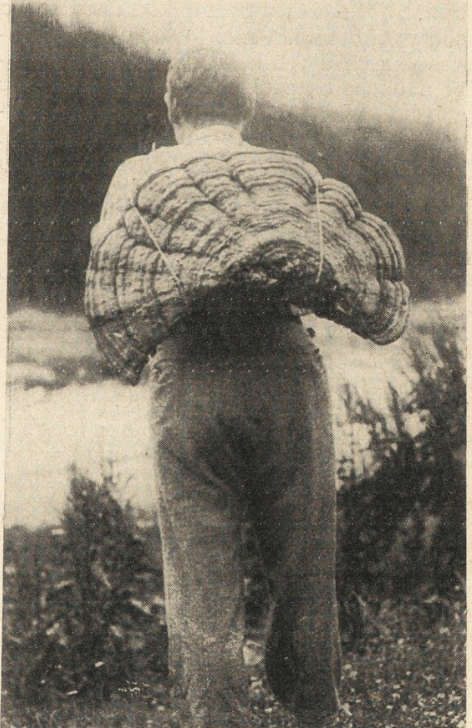
Albert Pilát carrying a giant specimen of Ganoderma lucidum in the Eastern Carpathian valley.
Albert Pilát carrying a giant specimen of Ganoderma lucidum in the Eastern Carpathian valley.
Unknown photographer, 1933.
From Vesmír, no. 5 (1933), p. 236.
This work is licensed under a Creative Commons Public Domain Mark 1.0 License.
Between 1928 and 1938, Albert Pilát (1903–1974), an internationally recognized mycologist from the Botanical Department of the National Museum in Prague, undertook field research in the Eastern part of Subcarpathian Ruthenia. Traveling with his wife Anna (see picture), Pilát aimed to collect rare lignicolous fungi in the old-growth forests around Pip Ivan Mountain. By this time, Pilát was already an experienced botanist with extensive research trips across Europe, Africa, and Turkey. In Subcarpathian Ruthenia, Pilát frequently explored the ranges of Gorgany, Svydovets, and Chernohora where he encountered primeval forests with a rich and diverse lignicolous mycoflora, characterized by an abundance of wood-decaying fungi and only limited occurrence of soil-dwelling species.
Pilát sent thousands of specimens back to Prague, which enriched the Natural Museum’s already extensive herbarium collection, and published extensively on his findings, producing a systematic summary of Carpathian fungi as well as monographs on the lignocolous geni of Polyporaceae, Pleurotus, and Lentinus, published in Czech and French. As a student of Josef Velenovský (1858–1949), a professor of botany at Prague University and author of a monumental monograph on Czech fungi, Pilát was highly trained in both historically used floristic research methods and fungal taxonomy. Alongside his teacher, in the 1930s Pilát worked on a group of fungi called Discomycete, and thanks to the Carpathian material, he became an internationally renowned expert on the family Polyporaceae, which mostly contains saprophytes that live off decaying wood.
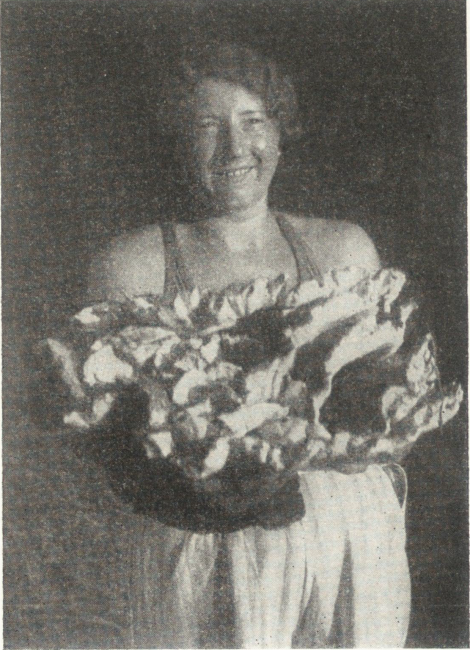
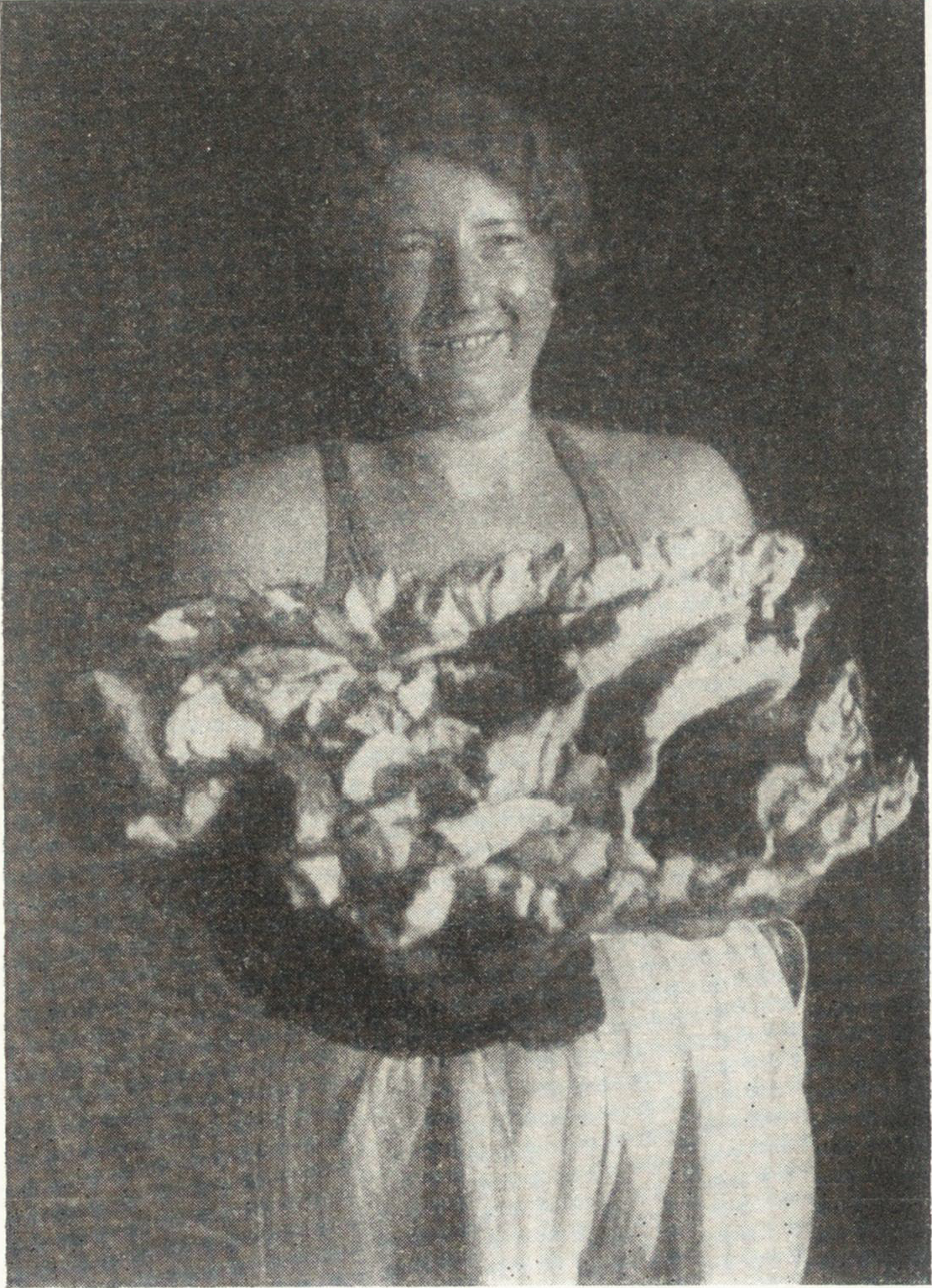
Mrs Anna Pilátová showing the giant specimen of the rare species of Bondarzewia mesenterica during a fieldtrip with Albert Pilát in the Eastern Carpathians.
Mrs Anna Pilátová showing the giant specimen of the rare species of Bondarzewia mesenterica during a fieldtrip with Albert Pilát in the Eastern Carpathians.
Unknown photographer, 1941.
From Vesmír, no. 5 (1941), p. 250.
This work is licensed under a Creative Commons Public Domain Mark 1.0 License.
Pilát also published his findings for a wider audience. Amateur mycology was already highly popular in the 1920s, and Czech mushroom enthusiasts, drawing on strong mycophilic traditions, founded the Czech Mycological Society, which issued Časopis československých houbařů (Journal of Czechoslovak Mushroomers). In 1937, Pilát contributed a short report from Subcarpathian Ruthenia on Coniophora puteana, a saprophytic wood-decaying fungus causing brown rot. In this early popular text, he still presented the fungus primarily from an anthropocentric perspective, emphasizing its destructive effects not only on old fir trees in the Eastern Carpathians but also on houses, sheds, and stables. The fungus was thus portrayed above all as a harmful agent threatening both forest trees and human buildings.
A rather different perspective appeared in a 1941 article in the popular journal Vesmír, devoted to the fungus Pilát identified as Polyporus montanus (now Bondarzewia mesenterica). During his explorations near the village of Dilove in the Loshchynka valley on the Romanian border, Pilát found the species in unusual abundance in old-growth fir forest. Here, however, he no longer treated such fungi simply as harmful parasites. Instead, he understood them as a natural component of primeval forest ecosystems: they attacked only old veteran trees and thereby contributed to the opening of the forest stand. At the same time, he stressed that these old-growth forests were rapidly disappearing and deserved protection. He concluded:
From a forestry perspective, this polypore is an insignificant parasite, since it attacks only veteran firs, which are now very rare. This type of primeval forest may one day disappear from Europe—and with it, perhaps, this interesting fungus. (Pilát 1941: 250)
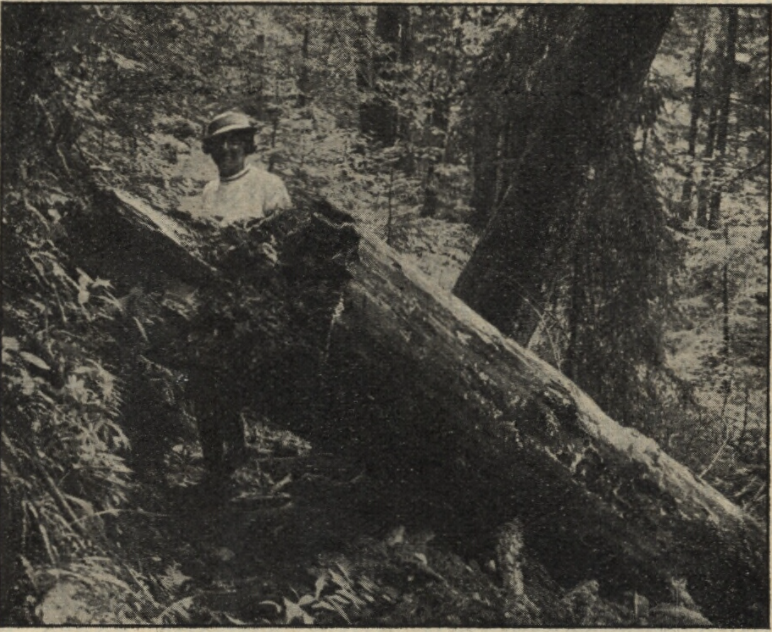
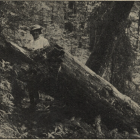
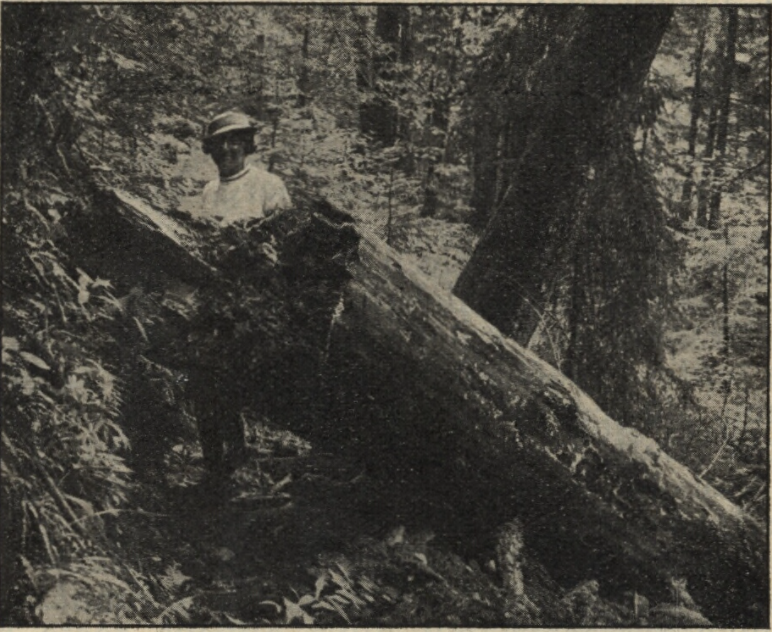
Mrs. Anna Pilátová standing next to a fir tree that was damaged by Bondarzewia mesenterica.
Mrs. Anna Pilátová standing next to a fir tree that was damaged by Bondarzewia mesenterica.
Unknown photographer, 1937.
From Časopis československých houbařů, no. 1–2 (1937), p. 14.
This work is licensed under a Creative Commons Public Domain Mark 1.0 License.
Although the Loshchynka valley itself was not among the designated reserves in the New Year’s Eve decree, Pilát benefited substantially from his explorations in the Carpathians with support provided by the state forestry company. His work significantly expanded the National Museum’s herbarium and established Pilát as an internationally prominent mycologist after World War II. He belonged to a generation of mycologists who began in botany, yet fought to establish mycology as a distinct scientific discipline. With contemporary mycologists around the world, he built an extraordinary global research network to elevate mycology’s marginal position within botany during 1950s and 1960s. Despite the Iron Curtain, he used contacts, outreach, and shrewd—sometimes opportunistic—moves (even joining the Communist Party) to finally found an independent mycology department in Prague in 1965—several years before fungi were formally recognized as a separate kingdom.
How to cite
Šima, Karel. “Forest Conservation and the Exploration of Carpathian Fungi: Albert Pilát’s Primeval Forest Awareness and the Emergence of Modern Mycology.” Environment & Society Portal, Arcadia (Spring 2026), no. 9. Rachel Carson Center for Environment and Society. doi:10.5282/rcc/10150.
ISSN 2199-3408
Environment & Society Portal, Arcadia
 This work is licensed under a Creative Commons Attribution 4.0 International License.
2026 Karel Šima
This refers only to the text and does not include any image rights.
Please click on an image to view its individual rights status.
- Hilitzer, Alfred, and Alois Zlatník. Přehled přírodních reservací a jejich návrhů v západní a střední Podkarpatské Rusi [Overview of nature reserves and their proposals in western and central Subcarpathian Ruthenia]. Prague: Masarykova akademie práce, 1932.
- Kotlaba, František, and Zdeněk Pouzar. “Albert Pilát, 1903–1974.” Transactions of the British Mycological Society 65, no. 1 (1975): 163–165.
- Money, Nicholas P. Mushrooms: A Natural and Cultural History. London: Reaktion Books, 2017.
- Pilát, Albert. “O choroši horském, zhoubci nejstarších jedlí” [About the mountain blight, the destroyer of the oldest fir trees]. Vesmír 19, no. 9–10 (1941): 247–50.
- Piňosová, Jana. Inspiration Natur: Naturschutz in den böhmischen Ländern bis 1933. Marburg: Verlag Herder-Institut, 2017.
- Singer, Rolf. “Albert Pilát (1903–1974).” Mycologia 67, no. 3 (1975): 445–447.