museums

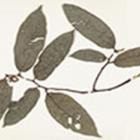
The zoological collections of the Port Essington Expedition

The zoological collections of the Port Essington Expedition

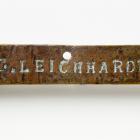
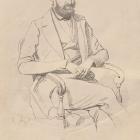
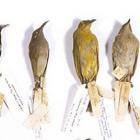
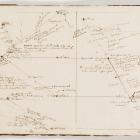
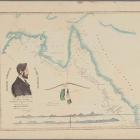
In this chapter of the virtual exhibition “Ludwig Leichhardt: A German Explorer’s Letters Home from Australia,” cultural studies researcher Heike Hartmann presents the deeds, fate, and legacy of Dr. Leichhardt’s companion John Gilbert.

Nina Möllers

Nina Möllers

This is a presentation of historian Nina Möllers—author of the virtual exhibition “Welcome to the Anthropocene: The Earth in Our Hands.”

About the exhibition

About the exhibition

This is a chapter of the virtual exhibition “Welcome to the Anthropocene: The Earth in Our Hands”—written and curated by historian Nina Möllers.

Mobility

Mobility

This is a chapter of the virtual exhibition “Welcome to the Anthropocene: The Earth in Our Hands”—written and curated by historian Nina Möllers.

Cur(at)ing the Planet—How to Exhibit the Anthropocene and Why

Museum exhibitions offer a unique space for creating a three-dimensional experience of the systemic interconnectedness that characterizes the Anthropocene, as well as encouraging reflection and participatory discussion. The Deutsches Museum has decided to tackle the challenges of this new age head-on and become the first museum to create a major exhibition on the Anthropocene. While curating an exhibition, we also tackle the question of how to “curate” the planet in its literal sense of taking care of it and curing it.

Anthropocene: Exploring the Future of the Age of Humans

About this issue

What does it mean to live in the Anthropocene? What are our responsibilities in a world where the boundaries between nature and culture are no longer clear? How do we visualize and teach the challenges of the future? The articles in this issue of RCC Perspectives reflect upon the ethics, aesthetics, and didactics of an “Age of Humans.”

Content