ClimateCultures: Creative Conversations for the Anthropocene
ClimateCultures was launched in 2017 and is a growing network for creative responses to the Anthropocene.
ClimateCultures was launched in 2017 and is a growing network for creative responses to the Anthropocene.
Ferran Pons Raga reviews Naturalezas en conflicto [Natures in Conflict] by José A. Cortés Vázquez.
Patrick Bresnihan reveals how John Clare’s poetry challenged the naturalization of scarcity, instead describing the different natures which unfold through ongoing, negotiated, and changing relations between people and things.
The Aldo Leopold Archives in the University of Wisconsin-Madison Libraries Digital Collections serve scholars, policy leaders, and the general public who look to Aldo Leopold for insight and inspiration on how to deal with complex conservation challenges facing society in the twenty-first century.
Source literature and further reading for Sabine Wilke’s virtual exhibition “Human-Nature Relations in German Literature”. This virtual exhibition is also available in German here.
This virtual exhibition features, in English translation, short excerpts from German-language literary texts that address human-nature entanglements. The aim is to show how literature can contribute to understanding and problematizing the relation between humans and nonhuman nature. What aspects of human-nature relations are addressed, at what point in literary history, and how are they shaped poetically? This virtual exhibition is also available in German here.
Sabine Wilke
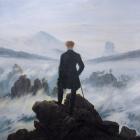
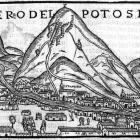
In this chapter of her virtual exhibition, “Human-Nature Relations in German Literature,” Sabine Wilke examines mountains and glacial environments in German-language literary descriptions. Whereas the German Romantic poets still highlighted mountainous nature as deeply ambiguous, Goethe’s Faust tried to understand mountainous nature in its materiality through scientific studies. Modernism focuses on the more often destructive results of human-nature entanglements. For the German-language version of this exhibition, click here.
This virtual exhibition features, in English translation, short excerpts from German-language literary texts that address human-nature entanglements. The aim is to show how literature can contribute to understanding and problematizing the relation between humans and nonhuman nature. What aspects of human-nature relations are addressed, at what point in literary history, and how are they shaped poetically? This virtual exhibition is also available in German here.
Sabine Wilke This virtual exhibition features, in English translation, short excerpts from German-language literary texts that address human-nature entanglements. The aim is to show how literature can contribute to understanding and problematizing the relation between humans and nonhuman nature. What aspects of human-nature relations are addressed, at what point in literary history, and how are they shaped poetically? For the German-language version of this exhibition, click here.
This virtual exhibition features, in English translation, short excerpts from German-language literary texts that address human-nature entanglements. The aim is to show how literature can contribute to understanding and problematizing the relation between humans and nonhuman nature. What aspects of human-nature relations are addressed, at what point in literary history, and how are they shaped poetically? This virtual exhibition is also available in German here.
Sabine Wilke In dieser virtuellen Ausstellung werden kurze Auszüge deutschsprachiger Literatur vorgestellt, die die Verstrickung von Mensch und Natur adressieren. Ziel der Ausstellung ist es, zu zeigen, inwiefern Literatur einen wichtigen Beitrag zum Verständnis und Problematisieren der Beziehung zwischen Mensch und nicht-menschlicher Natur leisten kann. Welche Aspekte dieser Beziehung werden angesprochen, zu welchem Zeitpunkt in der Literaturgeschichte und wie werden diese lyrisch gestaltet? Diese virtuelle Austellung ist hier in englischer Sprache zu finden.
In dieser virtuellen Ausstellung werden kurze Auszüge deutschsprachiger Literatur vorgestellt, die die Verstrickung von Mensch und Natur adressieren. Ziel der Ausstellung ist es, zu zeigen, inwiefern Literatur einen wichtigen Beitrag zum Verständnis und Problematisieren der Beziehung zwischen Mensch und nicht-menschlicher Natur leisten kann. Welche Aspekte dieser Beziehung werden angesprochen, zu welchem Zeitpunkt in der Literaturgeschichte und wie werden diese lyrisch gestaltet? Diese virtuelle Austellung ist hier in englischer Sprache zu finden.
Sabine Wilke Source literature and further reading for Sabine Wilke’s German-language virtual exhibition “Mensch und Natur in der deutschen Literatur (Human-Nature Relations in German Literature)”. For the English-language version of this exhibition, click here.
In dieser virtuellen Ausstellung werden kurze Auszüge deutschsprachiger Literatur vorgestellt, die die Verstrickung von Mensch und Natur adressieren. Ziel der Ausstellung ist es, zu zeigen, inwiefern Literatur einen wichtigen Beitrag zum Verständnis und Problematisieren der Beziehung zwischen Mensch und nicht-menschlicher Natur leisten kann. Welche Aspekte dieser Beziehung werden angesprochen, zu welchem Zeitpunkt in der Literaturgeschichte und wie werden diese lyrisch gestaltet? Diese virtuelle Austellung ist hier in englischer Sprache zu finden.
Sabine Wilke In this chapter of the German-language version of her virtual exhibition, “Mensch und Natur in der deutschen Literatur (Human-Nature Relations in German Literature),” Sabine Wilke examines mountains and glacial environments in German-language literary descriptions. Whereas the German Romantic poets still highlighted mountainous nature as deeply ambiguous, Goethe’s Faust tried to understand mountainous nature in its materiality through scientific studies. Modernism focuses on the more often destructive results of human-nature entanglements. For the English-language version of this exhibition, click here.
In dieser virtuellen Ausstellung werden kurze Auszüge deutschsprachiger Literatur vorgestellt, die die Verstrickung von Mensch und Natur adressieren. Ziel der Ausstellung ist es, zu zeigen, inwiefern Literatur einen wichtigen Beitrag zum Verständnis und Problematisieren der Beziehung zwischen Mensch und nicht-menschlicher Natur leisten kann. Welche Aspekte dieser Beziehung werden angesprochen, zu welchem Zeitpunkt in der Literaturgeschichte und wie werden diese lyrisch gestaltet? Diese virtuelle Austellung ist hier in englischer Sprache zu finden.
Sabine Wilke