

Arcadia
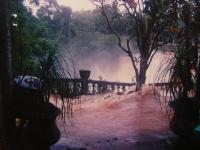
The Day the Falls Stopped Flowing: Devastation and Resilience in Tropical Queensland
José Paronella’s dream continues at Paronella Park despite catastrophic flood and cyclonic events.
José Paronella’s dream continues at Paronella Park despite catastrophic flood and cyclonic events.
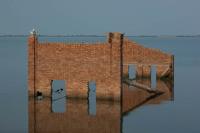
In November 1951 the Polesine, a flatland enclosed by the rivers Po and Adige in northeastern Italy, was hit by massive flooding. Hundreds of hectares were submerged and tens of thousands of people left homeless. The effects of a particularly heavy wet season were compounded by insufficient flood defenses.
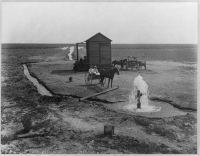
The agricultural landscape of California was based on a complex system of aqueducts that created the illusion of “normal” climatic variation.
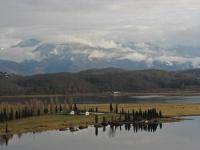
In 1969, the Georgian resort of Pitsunda and its beach were severely damaged by a storm. This was largely due to an ongoing process of coastal erosion caused by anthropogenic influences.
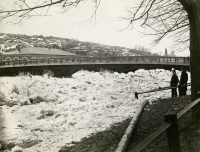
Historical documents provide detailed descriptions of ice-jam flood events and climate impacts in riverine communities.
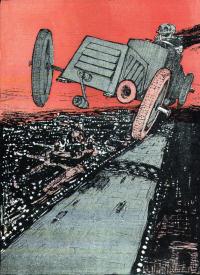
The first cholera epidemic in St. Petersburg, then capital of the Russian Empire, brought to light the city’s enormous sanitary problems. During the course of the epidemic 12,540 people sickened and 6,449 died.

Ecoanxiety in Mary Shelley’s Frankenstein signals our ability to create art in reaction to environmental disaster in increasingly unstable planetary futures.
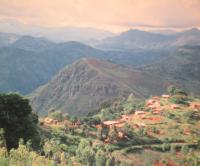
In Tanzania and Mauritius, physical disasters are filtered through cultural lenses, including sightings of cryptids: serpents and a werewolf.
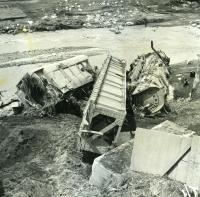
The Tangiwai disaster of 1953, New Zealand’s worst railway accident, is an environmental disaster with an enduring legacy.
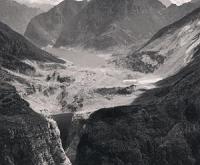
On October 9, 1963, a landslide above the Vajont Dam created a wave that destroyed several villages in the valley, killing about 2,000 people. Opinion as to whether to interpret the disaster as natural or one caused by human error remains divided.