The Day the Falls Stopped Flowing: Devastation and Resilience in Tropical Queensland
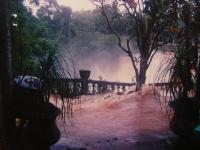
José Paronella’s dream continues at Paronella Park despite catastrophic flood and cyclonic events.
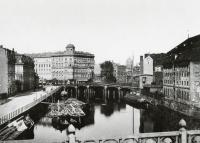
Peat was a widely used fuel in mid-nineteenth-century Berlin that acted as a bridge in the energy transition between firewood and coal.
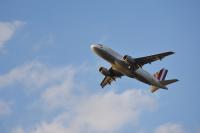
Munich airport: Economy instead of ecology? The Munich airport wants to be green. But it used to be much greener here. How high is the price for humans and nature?
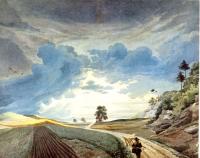
In this chapter of her virtual exhibition “Human-Nature Relations in German Literature,” Sabine Wilke discusses texts that register transformations of landscapes or take a position on their causes. For the German-language version of this exhibition, click here.
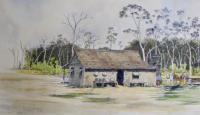
This article shows how rural collective action in tropical Australia transformed plantations into small farms in the late nineteenth century.
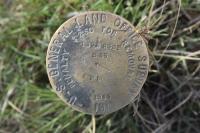
Introduction to American Land Rush, a virtual exhibition by Sara Gregg.
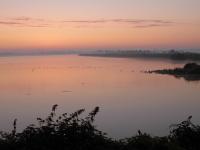
Ismaning Reservoir: A Wastewater Lake changes its Feathers? At the Ismaning Reservoir, approximately an hour by bike northeast of Marienplatz, the interplay between humans and nature is evident. It is not possible to swim in the lake. But it does more than just store water for Munich’s power generation facilities. It also provides a habitat for many species.
In this chapter of her virtual exhibition “Human-Nature Relations in German Literature,” Sabine Wilke examines forests and deforestation in works by Adalbert Stifter, Marlen Haushofer, and Elfriede Jelinek. For the German-language version of this exhibition, click here.