


Multimedia | journal article
“A Different Story in the Anthropocene: Brazil’s Post-Colonial Quest for Oil (1930–1975)”
In this article, Antoine Acker provides a different perspective on the Anthropocene.
In this article, Antoine Acker provides a different perspective on the Anthropocene.

An original history of “ecological” ideas of the body as it unfolded in California’s Central Valley.
State of the World 2006 provides a special focus on China and India and their impact on the world as major consumers of resources and polluters of local and global ecosystems.
In the United States, debate over the responsibilities of different levels of government are framed within our system of constitutional federalism, which divides sovereign power between the central federal administration and regional states. Dilemmas about devolution have been erupting in all regulatory contexts, but environmental governance remains uniquely prone to federalism discord because it inevitably confronts the core question with which federalism grapples—“who gets to decide?”— in contexts where state and federal claims to power are simultaneously at their strongest.

International Organizations and Environmental Protection comprehensively explores the environmental activities of professional communities, NGOs, regional bodies, the United Nations, and other international organizations during the twentieth century. It follows their efforts to shape debates about environmental degradation, develop binding intergovernmental commitments, and—following the seminal 1972 Conference on the Human Environment—implement and enforce actual international policies.
A book by John Dargavel on how humans experience the Anthropocene in everyday life.
An excerpt from Meditations on Creation in an Era of Extinction by former Carson Fellow Kate Rigby.
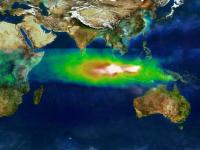
In 1997 and 1998 peat swamp forests burned in Borneo, Indonesia, spewing big amounts of carbon dioxide into the atmosphere.
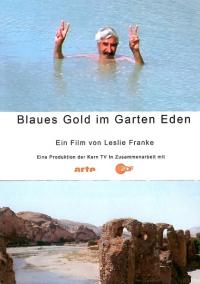
The film examines the social and ecological consequences of the Turkey’s South-East-Anatolia-Project (GAP), designed to enable energy production and irrigation on a huge scale.
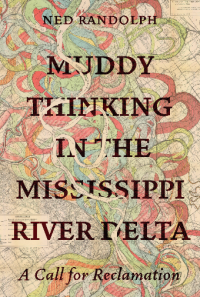
This book examines how the unruly Mississippi River and its muddy delta shaped the people, culture, and governance of the region.