

Arcadia
Cryptids and Disasters: Serpents and a Werewolf in the Western Indian Ocean Region
In Tanzania and Mauritius, physical disasters are filtered through cultural lenses, including sightings of cryptids: serpents and a werewolf.
In Tanzania and Mauritius, physical disasters are filtered through cultural lenses, including sightings of cryptids: serpents and a werewolf.
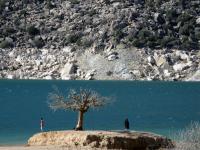
This film tells the stories of displaced people and livelihood changes in Iran after the construction of the Karun-3 Dam which submerged 12,300 acres of valuable forest with water.
Owain Jones, a Professor of Environmental Humanities at Bath Spa University, offers ideas and resources about environmental humanities in this blog.
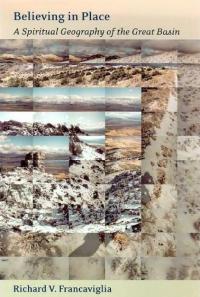
In his work, Francaviglia proposes “to tell the story of how the Great Basin’s environment resonates in the spiritual lives of all its people”.
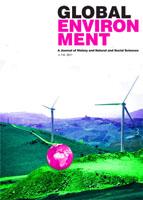
The aim of this paper is to encourage conservation and prevent further deterioration around the traditional villages of Tlajomulco, Mexico by making more widely known the rich cultural landscape and the know-how of the inhabitants that has contributed to its conservation.

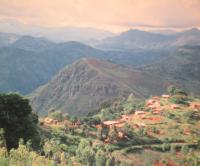
This article analyzes how people in the Bolivian Andes cope with environmental stress. Specifically, it examines the role environmental migration - a strategic mechanism to build up financial, productive, and social capital - plays in how people cope with climate change.

This film follows two friends as they travel the full length of the sacred Ganges River in India.
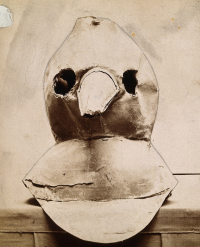
What can we learn from human responses to epidemics and pandemics in history? What insights can ecological and environmental humanities perspectives provide? This new and growing collection of annotated links to open-access media (analyses, primary sources, and digital resources) helps put pandemics in context.
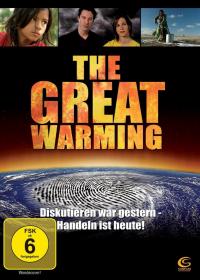
The Great Warming is a three-part Discovery Channel television series on the effects of anthropogenic global warming. Narrated by Alanis Morissette and Keanu Reeves, it takes a trip around the world to reveal how climate change is affecting people’s lives.
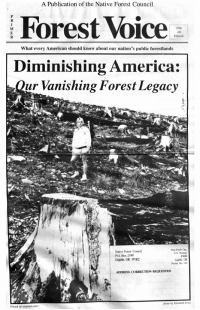
A 1996 primer by the Native Forest Council introduces the dire situation of America’s national forests, its origins, and explains why it continues. It introduces the National Forest Protection Acts draft legislation and suggests concrete ideas for what citizens and activists can do to stem deforestation.