Thinking Waste | The Life of Waste
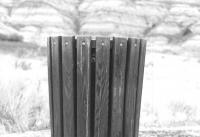
This chapter from the virtual exhibition “The Life of Waste” sheds light on what people think waste is and is not, the cultural and normative conceptions of waste, and forms and landscapes of waste.
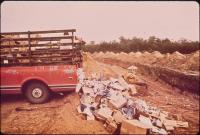
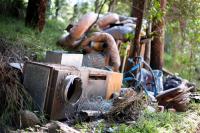
This chapter from the virtual exhibition “The Life of Waste” considers the myriad practices of managing waste, such as burning, burying, discarding, disposal, reuse, and recycling.
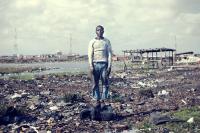
This chapter from the virtual exhibition “The Life of Waste” highlights people who live with waste—landfill workers, waste pickers, trash collectors, sanitation workers—and the social, economic, and health challenges they face.
This chapter from the virtual exhibition “The Life of Waste” discusses the call for radical changes in our consumption and production patterns, and littering behavior. It explores the concepts of zero waste, upcycling, and recycling.
This chapter from the virtual exhibition “The Life of Waste” considers the ways in which waste relates to power. It aligns with power structures, can be an empowering feature, or possess power in and of itself.
Digital tools reveal a geographic logic to the violence of Pontiac’s War.
This chapter introduces the virtual exhibition “The Life of Waste.” Historian Simone M. Müller discusses six truisms of waste, namely “everything is waste, waste is a matter of perspective, waste needs to be managed, waste is life, waste has power and waste has an expiration date.”
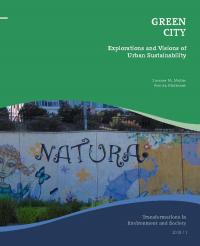
This volume explores the “green city” concept from a global and interdisciplinary perspective. Contributions examine the conflicts inherent in eco-modernization and investigate opportunities to respond meaningfully to urban environmental challenges.
Barthold analyzes the C40 Cities Climate Leadership Group to illustrate how city networks are powerful actors in the global dissemination of eco-modernization strategies aimed at decoupling economic growth from environmental degradation.
May Tan-Mullins looks at the decision-making processes involved in developing the Sino-Singaporean Tianjin Eco-city in China.