


Show search results for
Arcadia
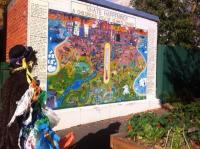
Castlemaine: Climate Change, Consciousness, and Art
This area attracted an exodus of youthful creative urban dwellers resettling the land with aims of self-sufficiency and communal living.
Arcadia
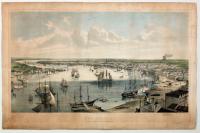
The Ecology of Yellow Fever in Antebellum New Orleans: Sugar, Water Control, and Urban Development
Epidemic yellow fever plagued New Orleans due to a series of environmental and demographic changes enabled by the rise of sugar production and urban development.
Exhibition chapter
Beyond the Exhibition | Ecopolis München
What is Particular about Munich’s Environment?

Arcadia
Abandonment Issues: Producing Industrial Heritage Landscapes at the São Domingos Mine
This piece examines the historical context of industrial heritage tourism of the post-industrial landscape at the São Domingos Mine in southeastern Portugal.
Exhibition chapter
Introduction to the Exhibition | Human-Nature Relations in German Literature: A Curated Stroll
This virtual exhibition features, in English translation, short excerpts from German-language literary texts that address human-nature entanglements. The aim is to show how literature can contribute to understanding and problematizing the relation between humans and nonhuman nature. What aspects of human-nature relations are addressed, at what point in literary history, and how are they shaped poetically? For the German-language version of this exhibition, click here.
Exhibition chapter
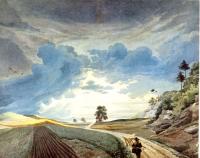
Transformation of Landscapes | Human-Nature Relations in German Literature: A Curated Stroll
In this chapter of her virtual exhibition “Human-Nature Relations in German Literature,” Sabine Wilke discusses texts that register transformations of landscapes or take a position on their causes. For the German-language version of this exhibition, click here.

Exhibition chapter
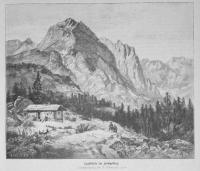
Mountains, Glaciers, and Climate | Human-Nature Relations in German Literature: A Curated Stroll
In this chapter of her virtual exhibition, “Human-Nature Relations in German Literature,” Sabine Wilke examines mountains and glacial environments in German-language literary descriptions. Whereas the German Romantic poets still highlighted mountainous nature as deeply ambiguous, Goethe’s Faust tried to understand mountainous nature in its materiality through scientific studies. Modernism focuses on the more often destructive results of human-nature entanglements. For the German-language version of this exhibition, click here.
Exhibition chapter
Forests and Deforestation | Human-Nature Relations in German Literature: A Curated Stroll
In this chapter of her virtual exhibition “Human-Nature Relations in German Literature,” Sabine Wilke examines forests and deforestation in works by Adalbert Stifter, Marlen Haushofer, and Elfriede Jelinek. For the German-language version of this exhibition, click here.