


Arcadia
Making Rain under the Mallas
Nepalese manuscripts on rainmaking rituals offer data on droughts in historical climate reconstructions.
Nepalese manuscripts on rainmaking rituals offer data on droughts in historical climate reconstructions.
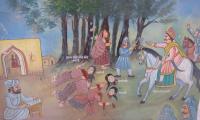
This article traces how Bishnoi religious beliefs have informed environmental activism as well as present-day forest conservation and wildlife-protection strategies in the Thar Desert, India.
In this essay (updated in 2019), Bron Taylor offers background about the events that gave rise to the Earth First! movement and reviews some of the watershed moments in its history, including its print publications.
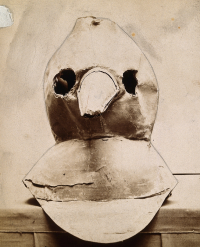
What can we learn from human responses to epidemics and pandemics in history? What insights can ecological and environmental humanities perspectives provide? This new and growing collection of annotated links to open-access media (analyses, primary sources, and digital resources) helps put pandemics in context.
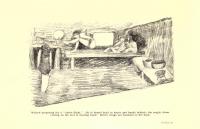
British Arctic explorers lacked local knowledge of the environments through which they passed and sometimes consulted Inuit shamans, whose geographical knowledge was known to be extensive. One expedition to seek the Northwest Passage exemplifies how they supplemented their deficit with indigenous environmental knowledge.

This chapter of the “Wilderness Babel” exhibition, written by MSc student Natasha Yamamoto, looks at how wilderness may be expressed and understood in Japanese.

This article presents examples of ancient conceptions of rivers as more-than-human agents and their struggle with humans.

This article proposes a new definition of baroque to better understand the global dimensions of the representation of nature by the Qing dynasty.