


Perspectives Article
A History of Flowing Water
Eva Jakobsson examines her intellectual development in environmental history through a focus on water systems and hydropower.
Eva Jakobsson examines her intellectual development in environmental history through a focus on water systems and hydropower.
Marc Elie reflects on the evolution of his research on tragic events in twentieth-century Russia and the Soviet Union—from researching Gulag ex-detainees to analyzing the history of disaster and risk management.
Franz-Josef Brüggemeier explores the environmental history of Germany’s Ruhr region, focusing on industrial pollution and ecological restoration.
Lajos Rácz traces his development as a climate historian back to his experience growing up in rural Hungary.
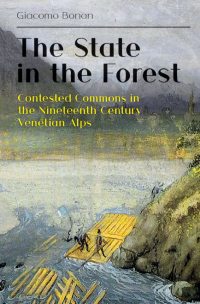
Excerpt from The State in the Forest: Contested Commons in the Nineteenth Century Venetian Alps.

In this chapter of the virtual exhibition “Drought, Mud, Filth, and Flood: Water Crises in Australian Cities, 1880s–2010s,” the authors describe the ways in which infrastructure failed to keep pace with population growth in Melbourne, Victoria, and how residents developed their own means to overcome deficiencies. Residents of the postwar suburban frontier installed septic tanks and pan toilets, joined together to lay stormwater drains to improve the health and amenity of their local streets.

A reflection on how environmental history emerged in Sweden.

An article on the limits of a cybernetic conception of planetary health.
Editorial to “Imagining Planetary Health,Wellbeing and Habitability: Perspectives from the Environmental Humanities,” a special issue of Global Environment.
