Arcadia
Carbon Bomb: Indonesia’s Failed Mega Rice Project
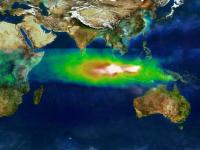
In 1997 and 1998 peat swamp forests burned in Borneo, Indonesia, spewing big amounts of carbon dioxide into the atmosphere.
In 1997 and 1998 peat swamp forests burned in Borneo, Indonesia, spewing big amounts of carbon dioxide into the atmosphere.
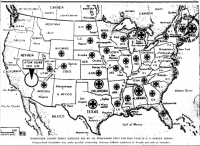
When a tornado strikes Worcester, Massachusetts, residents suspect the disaster is the work of an unlikely culprit—the atomic bomb.
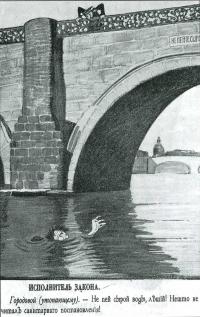
In this chapter of their virtual exhibition “‘Commanding, Sovereign Stream’: The Neva and the Viennese Danube in the History of Imperial Metropolitan Centers,” the authors discuss similarities and differences in the history of water supply, pollution, and waste management in St. Petersburg and Vienna.
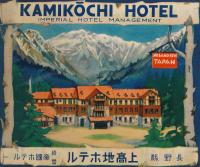
Kamikōchi is the southern gateway to the Japan Alps, which in 1934 was one of the first areas in Japan to be designated a national park. This was the result of a rapid rise to prominence that followed a 1927 newspaper poll of Japanese landscapes.
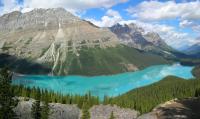
Banff is the Canadian national park you have heard of.

This is a chapter of the virtual exhibition “Welcome to the Anthropocene: The Earth in Our Hands”—written and curated by historian Nina Möllers.
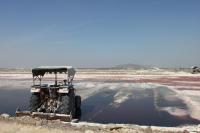
Across a century and a half, colonial, private and government salt farming at Sambhar has transformed the ecology of the lake and caused a slow cataclysm of pollution, affecting wildlife and livelihoods.
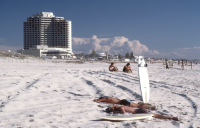
The long battle to protect Scarborough Beach’s coastal dunes demonstrates both the power and limitations of local grassroots advocacy groups.