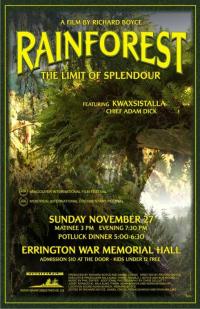
Rainforest: The Limit of Splendour
This film follows the filmmaker to the remote temperate rainforest of Vancouver Island, and shows how modern logging, in contrast to indigenous forestry practices, is leading to its rapid extinction.

This award-winning documentary sheds new and positive insight on the importance of indigenous knowledge for conservation and how indigenous commerce could save the mighty Amazon rainforest.
This film chronicles the struggle of a community in New York state to save a lake from an invasive weed and restore it to a habitat for migrating birds, and other flaura and fauna.
The seminal “World Conservation Strategy” of 1980 argues for the protection of essential ecological processes and habitats, the preservation of genetic diversity, and the sustainable utilization of species and ecosystems.
Kleinstuck Marsh in Michigan is not the pristine, untouched landscape it might at first seem. Once a peat bog, the property was drained for a botanical garden and later sold as an unwanted piece of property and embedded with sewage pipes for a neighboring housing development, before becoming a nature preserve.
This article argues that hunting is not a sport, but a neo-traditional cultural trophic practice consistent with ecological ethics, including a meliorist concern for animal rights or welfare.
This article examines if the material and non-material values of nature can be reconciled and looks at the ecosystem services and the ‘elements of nature’ frameworks.
Following the establishment of the world’s first national park at Yellowstone (USA) in 1872, the concept was rapidly transferred to Australia, New Zealand and Canada. This article examines this second wave of adoption—and adaption—focussing on five case studies from Australia and New Zealand.
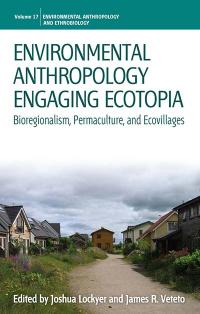
Environmental Anthropology Engaging Ecotopia brings together case studies from across the globe to reveal underlying cultural ontologies and call for more integration between the work of scholars and practitioners.
Kluiving and Hamel explore why the Anthropocene emerged. They suggest that an analysis of global changes in human niche construction using geoarchaeological data offers new perspectives on the causes and effects of the Anthropocene.