Umwelt als Ressource: Die sächsische Papierindustrie 1850–1930
Umwelt als Ressource highlights the interaction and co-evolution of modern industry and the environment, using the example of the German paper industry in Saxony.
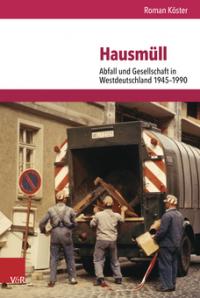
Hausmüll documents the rise of a “new” environmental problem in post-war Germany, that of an increase in consumption and consequently a dramatic increase in waste.
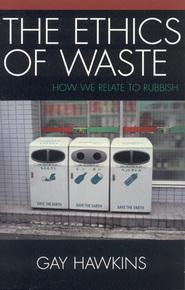
Gay Hawkins puts the ethical significance of waste in everyday life into historical, social, and cultural perspective, seeking to change ecologically destructive practices without recourse to guilt, moralism, or despair.
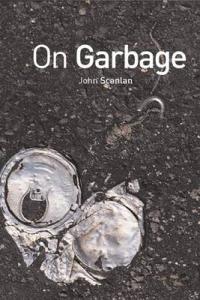
By detailing the waste we have discarded, John Scanlan argues that we can learn new things about the building blocks of our culture; he throws new light on the modern condition by examining not what we have kept, but what we have thrown away.
The film highlights the pollution of the Baltic Sea from agricultural run-off and wastewaters, particularly in the Kocinka catchment of Poland. It offers multiple perspectives from the range of stakeholders, and is the outcome of the Soils2Sea project which ran from 2014 to 2017.
Fröttmaninger Müllberg: Can One Simply Bury the Past?
ENHANCE is a four-year innovative training network (ITN) funded by Marie Skłodowska Curie that is dedicated to further establishing the Environmental Humanities as a field of cutting-edge scholarship in Europe and further afield.
By reporting on their own and others’ experiences composting with dung earthworms, Sebastian Abrahamsson and Filippo Bertoni argue for a shift in the notion of “conviviality.”
Munich from Below: What Happens Underground?
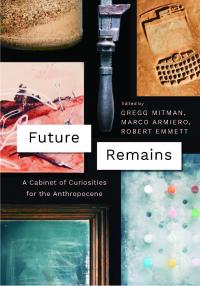
Marco Armiero, Robert S. Emmett, and Gregg Mitman have assembled a cabinet of curiosities for the Anthropocene, bringing together a mix of lively essays, creatively chosen objects, and stunning photographs by acclaimed photographer Tim Flach. Future Remains gathers fifteen objects which resemble more the tarots of a fortuneteller than the archaeological finds of an expedition—they speak of planetary futures.