

Multimedia | film profile
Dirty Business
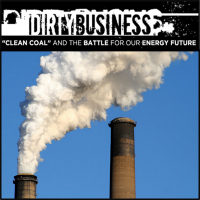
Dirty Business reveals the true social and environmental costs of coal power and looks at promising developments in renewable energy.
Dirty Business reveals the true social and environmental costs of coal power and looks at promising developments in renewable energy.
The article tells the story of the rise and decline of the significance and visibility of “white coal” and hydroelectricity over the course of the twentieth century.

In the Middle Ages, the main energy sources were firewood, charcoal, animals, and human muscle power. By 1860, 93 percent of the energy expended in England and Wales came from coal. Why did the transition occur when it did and why was it so slow?
This article considers the various factors that hindered intensification of industrial activity and retarded national economic growth. Eventually the pressure of social and cultural factors encouraged abandonment of the use of an abundant and relatively cheap resource—peat—and promoted the use of a scarcer and more expensive alternative—coal.
What does history tell us about energy transitions? What do energy transitions tell us about the history of colonialism? This volume of RCC Perspectives presents five histories of colonial projects that transformed potential energy sources in Africa, Europe, North America, and Greenland into mechanical energy for wealth production.
This paper looks at how the master-servant politics of British indirect rule (ruling the colonized through their traditional authorities and structures) related to the production of coal and coal-using industries in Nigeria.
American knowledge of British coal practices had at least two crucial implications for the timing and shape of the nation’s first fossil fuel energy transition. This story suggests that attention to transnational contexts can help us better understand how, when, and why energy transitions occur.
This award-winning documentary explores ways the transition from fossil fuels to renewable energy is likely to happen around the world.
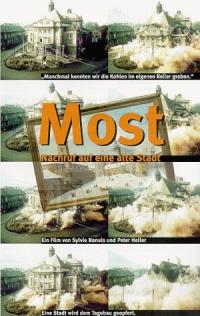
The film tells the story of the town Most in Northern Bohemia, destroyed in the quest for coal.
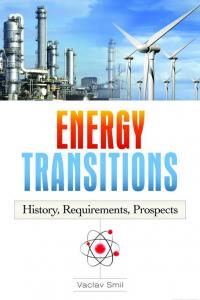
Vaclav Smil shows why energy transitions are inherently complex and prolonged affairs, and how ignoring this raises unrealistic expectations that the United States and other global economies can be weaned quickly from a primary dependency on fossil fuels.