


Multimedia | journal article
“Mother Drone, Mother Nature: The Griffon Vulture and Israel’s Military”
This essay examines how military, technology, and nature converge in the Israeli griffon vulture project and what politics stand behind it.
This essay examines how military, technology, and nature converge in the Israeli griffon vulture project and what politics stand behind it.
When is it defensible to keep birds in confinement, and what do we owe those who escape?

Excerpt from Six Women Who Shaped What Americans Eat: Food Choice in an Age of Abundance by Michelle Mart.
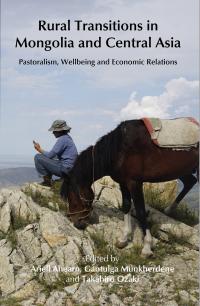
Full open-access volume Rural Transitions in Mongolia and Central Asia: Pastoralism, Wellbeing and Economic Relations (2026), edited by Ariell Ahearn, Gantulga Munkherdene, and Takahiro Ozaki.
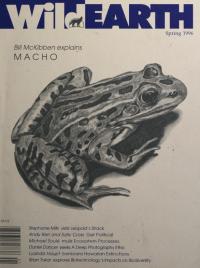
In Wild Earth 6, no. 1 Bill McKibben imagines new organizations like “MACHO” (Manly and Courageous Hunters Organization), Stephanie Mills visits Leopold’s shack, and Daniel Dancer seeks a deep photography ethic.
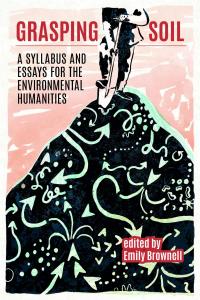
Full open-access volume Grasping Soil: A Syllabus and Essays for the Environmental Humanities (2026), edited by Emily Brownell.
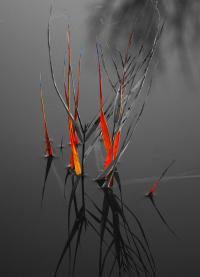
Interactive story map by Paolo Gruppuso on urban ecologies in Latina, Italy.
Article by Rachel Carson Center alumna Mengxi Kou and colleagues on how protected areas can conserve wildlife while also safeguarding people’s livelihoods.

The Bhola Cyclone of 1970 contributed to the independence of Bangladesh and had lasting impacts on its disaster preparedness and public welfare.
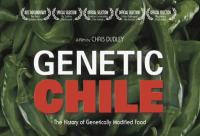
This film uses the New Mexico chile pepper to investigate genetically modified foods and criticizes the practices of the companies involved.