

Arcadia
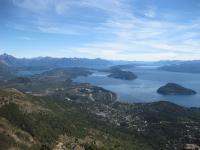
Blurring Boundaries: Nahuel Huapi National Park
Latin America’s first national park derived from private and public ideas and became a template for regional conservation.
Latin America’s first national park derived from private and public ideas and became a template for regional conservation.
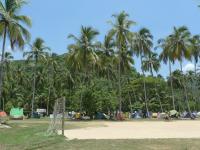
In this Arcadia article, Claudia Leal shows how the early history of Colombia’s Tayrona National Park reveals the extent to which it has been shaped by state policies: evictions, restrictions to land use, and a fierce battle against tourism interests.

This article is a critique of the “open door” development policy promoted by the Liberian government after World War II, and shows the environmental and social impact of state reliance on foreign direct investment.
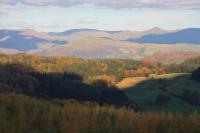
Matthew Kelly describes how national parks were a component of the social democratic transformation of post-war Britain, which quickly became a focus for anxiety about the rise of mass car ownership and agricultural intensification.
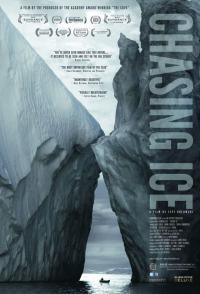
This film follows photographer James Balog’s multi-year record of the impacts of climate change on the Arctic.
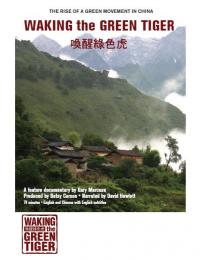
This film follows a resistance movement to the building of a dam on the Upper Yangtze River in southern China, highlighting Chairman Mao’s efforts to subjugate nature in the name of progress.
This exhibition shows some of the many links between the Neva River in St. Petersburg and the Viennese Danube discovered during the joint Russian-Austrian research project “The Long-Term Dynamics of Fish Populations and Ecosystems of European Rivers.”
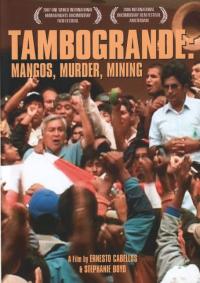
This film follows resistance to mining companies and the Peruvian government by local residents, focusing on the small town of Tambogrande.

This film follows an Argentinian town which must struggle to decide whether to allow a gold mine that could reduce poverty but also uses toxic mining methods.
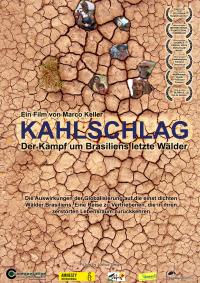
This film follows the residents of Brazil’s virgin forests as they struggle to maintain their identity in the face of environmental exploitation.