Hatmaker, Susie, "On Mattering: A Coal Ash Flood and the Limits of Environmental Knowledge"
Susie Hatmaker investigates the largest flood of coal ash in United States history in 2008 as an event at once monumental and insignificant.
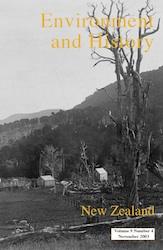
The history of environmental anxiety in nineteenth- and twentieth-century New Zealand can be traced by focusing on problems caused by deforestation.
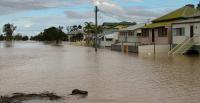
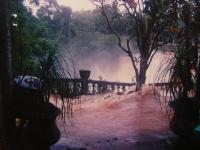
José Paronella’s dream continues at Paronella Park despite catastrophic flood and cyclonic events.
The forest area in Switzerland has been expanding for more than one hundred years, after a long period of contraction culminating in an apparently accelerated phase of deforestation in the first half of the nineteenth century…
Rivers need property rights so that humans can live with floods.
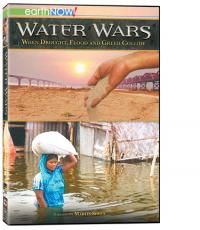
This film examines attempts by communities and experts around the world to protect their water resources in the face of global warming, pollution, and political conflict.
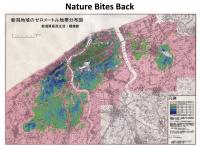
Engineering the Lower Shinano River in northeastern Japan expanded the risk of other flood and tsunami damage.
The Gangetic basin, traditionally famous for huge crop production and rice farming, has witnessed gradual alteration in the land-use pattern over the last hundred years.
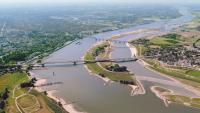
Nijmegen’s “Room for the Waal” project is a leading example for the application of the “making room for the river” water management approach.
In this chapter of their virtual exhibition “‘Commanding, Sovereign Stream’: The Neva and the Viennese Danube in the History of Imperial Metropolitan Centers,” the authors examine the dynamic landscapes of the Neva and Danube Rivers, the ways they determine people’s lives and are also modified to secure people’s needs and protect them from flooding.