

Arcadia
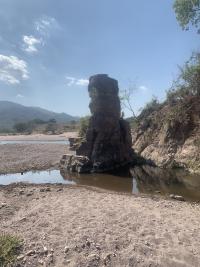
La Muxatena: A Sacred Rock Formation at the Heart of an Indigenous Social Movement for Environmental Rights
Indigenous groups in Nayarit, Mexico, reaffirmed their sacred environmental sites through social movement.
Indigenous groups in Nayarit, Mexico, reaffirmed their sacred environmental sites through social movement.
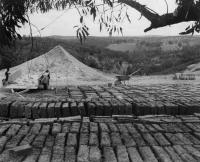
Environmental building in Australia as a form of communing with nature.
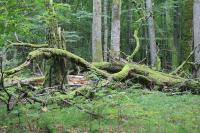
As virgin forests become carbon sinks and biodiversity hotspots, their coproduced history is consigned to oblivion.
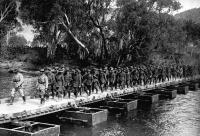
The history of Puckapunyal Military Training Area illustrates how war and the environment interact in sometimes unexpected ways.
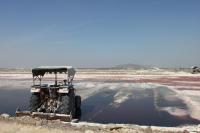
Across a century and a half, colonial, private and government salt farming at Sambhar has transformed the ecology of the lake and caused a slow cataclysm of pollution, affecting wildlife and livelihoods.
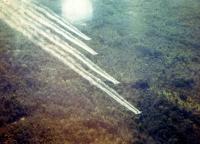
The Vietnam War introduced a new language for the environmental impacts of modern warfare, and 50 years later, profound long-term consequences for people and nature remain.

The Mennonite migrations from Ukraine to Kansas in 1874 transformed traditional tallgrass prairie for grain production.

The historical politicization of the invasive black locust in Hungary.
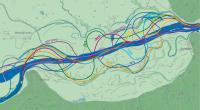
The history of the Danube regulation in the Austrian Machland during the nineteenth century shows the enormous efforts made to transform a dynamic river landscape into a navigable waterway and a stable floodplain that supports the various human demands.

In the second half of the nineteenth century, the establishment of Keppel Harbour would lay the foundations for Singapore to become a logistics city.