

Arcadia
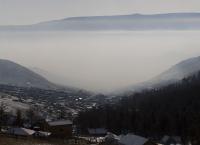
Climate Change and Pastoral Nomads: Feedback Loops in Ulaanbaatar, Mongolia
This article focuses on the complicated interactions between climate change and the lives of people in and near Ulaanbaatar, Mongolia.
This article focuses on the complicated interactions between climate change and the lives of people in and near Ulaanbaatar, Mongolia.
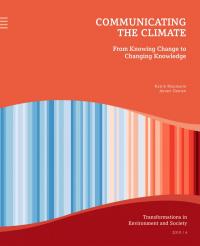
Schur Petri demonstrates how local health workers can effectively communicate climate risks on the ground.
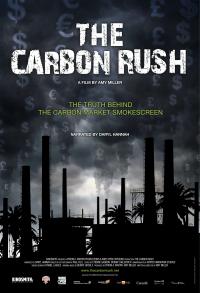
This film explores the negative impacts of the multi-billion dollar carbon offsetting industry on those people who are most impacted but least heard.
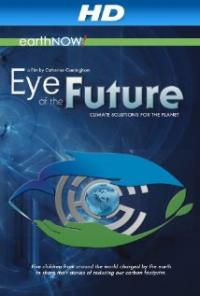
This drama shows how five children of United Nations ambassadors are called upon by Earth to create a sustainable future and find solutions to prevent further damage.
This interview with Paul Crutzen is a chapter of the virtual exhibition “Welcome to the Anthropocene: The Earth in Our Hands”—written and curated by historian Nina Möllers.
Sir Crispin Tickell scans what industrial countries can and have to do in order to give a lead in global arrangements to alleviate economic and ecological problems.
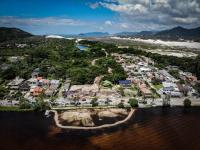
In 2021, a disaster in Florianópolis prompted a lawsuit that might have far-reaching effects on environmental law.
Wan Yin Kim Fung’s “What Cannot Be Unearthed” is a sensitively told account that quite literally gives pause to the toxic fallout of nineteenth- and twentieth-century copper mining in eastern Japan. It was one of the two honorable mentions in the nonfiction category of the RCC environmental writing competition “Tell the Untold!”

In the afterword of a special section on toxic embodiment, Stacy Alaimo distills the collection’s argument for attending to the ways environments, human bodies, and nonhuman bodies are transformed by anthropogenic substances.
In The River Runs Black, Elizabeth C. Economy examines China’s growing environmental crisis and its implications for the country’s future development.