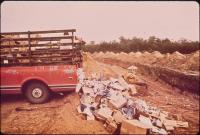
Hatmaker, Susie, "On Mattering: A Coal Ash Flood and the Limits of Environmental Knowledge"
Susie Hatmaker investigates the largest flood of coal ash in United States history in 2008 as an event at once monumental and insignificant.
The documents collected in the book reveal the various and sometimes conflicting uses of the term “conservation” and the contested nature of the reforms it described.
Finn Arne Jørgensen examines the development of the Scandinavian beverage container deposit-refund system, which has the highest return rates in the world, from 1970 to the present day. He reveals the challenges faced when the system was exported internationally and explores the critical role of technological infrastructures and consumer convenience in modern recycling.
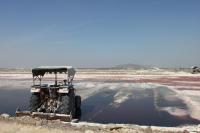
Across a century and a half, colonial, private and government salt farming at Sambhar has transformed the ecology of the lake and caused a slow cataclysm of pollution, affecting wildlife and livelihoods.
Ukraine’s Dnipro River and nearby inhabitants have lived through brute-force environmental change and war over the last century.
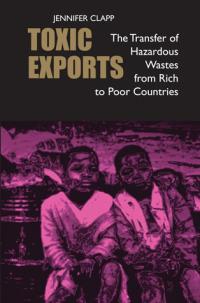
Jennifer Clapp examines the nature of international trade in toxic waste and the roles of multinational corporations and environmental NGOs. Waste transfer has become a routine practice for firms in industrialized countries and poor countries accept these imports but struggle to manage the materials safely. She argues that governments have failed to recognize the voices of protest.
This chapter from the virtual exhibition “The Life of Waste” considers the ways in which waste relates to power. It aligns with power structures, can be an empowering feature, or possess power in and of itself.
This chapter from the virtual exhibition “The Life of Waste” sheds light on what people think waste is and is not, the cultural and normative conceptions of waste, and forms and landscapes of waste.
This chapter from the virtual exhibition “The Life of Waste” considers the myriad practices of managing waste, such as burning, burying, discarding, disposal, reuse, and recycling.