

Multimedia | film profile
De Regenmakers [Rainmakers]
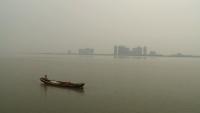
This film investigates the crises facing China’s environment from the perspectives of four activists.
This film investigates the crises facing China’s environment from the perspectives of four activists.
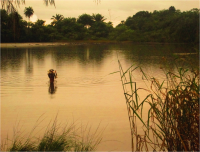
Once a benefit to humanity but now a scourge, the environment of the Niger Delta has been transformed into a haven for violence, militancy, and criminality.
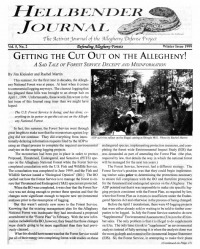
Hellbender Journal is a voice for forest activists working towards the protection of the Allegheny Forests in Pennsylvania. In this issue, Rachel Martin takes over as editor. The issue focuses on the Forest Service’s opening of the Allegheny National forest to clearcutting, the effects on local people in Lynch, Pennsylvania, and the response of activists.

Earth First! 27, no. 2 features articles on nuclear resistance in Germany, Trinidad community’s fight against the Alcoa aluminum smelter, Molokai’i activists’ battle to “save the last Hawaiian island”, and the self-sustaining community Umoja Village Shantytown in Miami.
Akrish Adhikari argues that Rachel Carson’s Silent Spring sparked a lasting global environmental movement, continuing to inspire organizations like the World Wide Fund for Nature (WWF) and shape modern ecological advocacy.
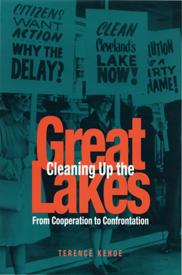
An account of how water pollution control policy emerged during the seminal decades of environmental activism, with reference to the largest group of freshwater lakes in the world: the Great Lakes.
Rachel Carson testifying before the Senate Government Operations subcommitte.
Nancy Langston reinterprets Rachel Carson’s Silent Spring to argue that ecological and human health are inseparable, urging renewed responsibility toward chemical safety and environmental stewardship.
Michael Everett examines how environmental movements develop and how they deal with economic counterforces and motivate political actors to pass effective environmental regulations.
This essay explores three case studies that illustrate the exemplary use of economic analysis in environmental decision-making.