


Arcadia
Manoomin: The Taming of Wild Rice in the Great Lakes Region
Wild rice was “tamed” when domesticated in the 1950s, yet both cultivated and foraged wild rice face shared contemporary challenges.
Wild rice was “tamed” when domesticated in the 1950s, yet both cultivated and foraged wild rice face shared contemporary challenges.
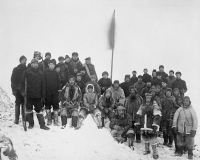
To whom does the Northwest Passage belong? Historian Elene Baldassarri writes about the politics of the Far North. This is a chapter of the virtual exhibition “The Northwest Passage: Myth, Environment, and Resources.”
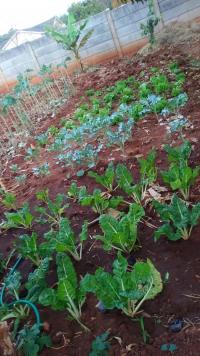
In 2000, the government restored land resources to the indigenous people of Zimbabwe. The chaotic land reform caused widespread environmental problems.
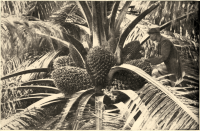
Humans have a long history of meddling in the oil palm’s sex life.
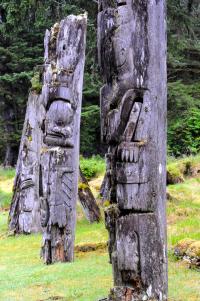
A fierce land-use dispute evolved over the temperate rainforests of the Haida Gwaii Islands in British Columbia, Canada, in 1974.
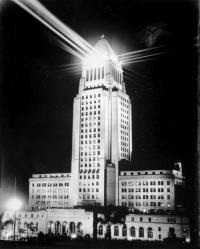
Gender colonization, progress, and nature on display as the first electricity from Hoover Dam arrived in Los Angeles in 1936.
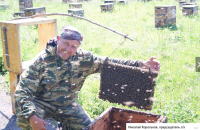
This article discusses forest beekeeping in the Russian Far East and its unique role in protecting primary forests in the context of Aristotelian ethics.
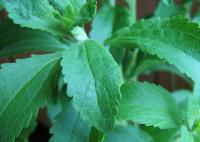
The Guaraní accused global corporations such as Coca Cola and Cargill of using their traditional knowledge associated with the stevia plant and filed for an access-and-benefit sharing agreement.

At the 1873 Viennese World’s Fair, the botanist Friedrich Haberlandt became enchanted with the vision of integrating soyfoods into European diets as a cheap source of protein.
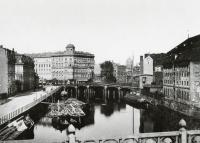
Peat was a widely used fuel in mid-nineteenth-century Berlin that acted as a bridge in the energy transition between firewood and coal.