


Multimedia | film profile
No Land, No Food, No Life
This film examines how farmers in Mali are resisting the loss of their land to corporate farming initiatives.
This film examines how farmers in Mali are resisting the loss of their land to corporate farming initiatives.
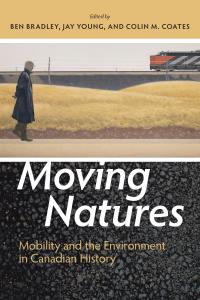
This collection highlights three quintessentially Canadian themes: seasonality, links between mobility and natural resource development, and urbanites’ experiences of the environment through mobility. It divides the intersection of environmental and mobility history into two approaches. The chapters in the first section deal primarily with the construction and productive use of mobility technologies and infrastructure, as well as their environmental constraints and consequences. The chapters in the second section focus on consumers’ uses of those vehicles and pathways: on pleasure travel, tourism, and recreational mobility.
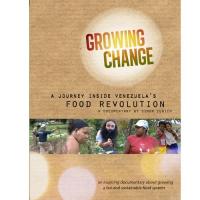
This film examines the development of a new, more localized food system in Venezuela.

Greear examines the contemporary trend toward de-industrialized and decentralized production and its implications for ecological sustainability. He suggests we can understand the potential positive ecological implications of such trends by reconceptualizing “incomplete information” in markets, which is often understood as a key way in which markets fail to solve or forestall environmental problems.
Hagood looks at Rachel Carson’s earlier popular publications on the natural history of the oceans and their impact on Silent Spring (1962).
Allan Curtis and Terry De Lacey analyze perceptions of the Australian grassroots movement “Landcare” through landholder surveys, thereby discussing wider concepts of natural resource management, stewardship and sustainable agriculture in Australia.
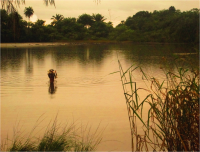
Once a benefit to humanity but now a scourge, the environment of the Niger Delta has been transformed into a haven for violence, militancy, and criminality.
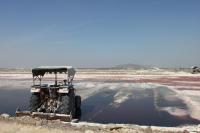
Across a century and a half, colonial, private and government salt farming at Sambhar has transformed the ecology of the lake and caused a slow cataclysm of pollution, affecting wildlife and livelihoods.

This film explores how various communities around the world are transitioning to a more sustainable and local way of life.

This exploration of the deepening crisis of food security in India looks at four case studies, dealing respectively with Punjab, Warangal, Kalahandi, and Bellary. These are interspersed by insights into a movement in the Himalayas that may offer alternatives in the form of sustainable agricultural systems, which revive traditional agricultural practices (Beej Bachao Andolan).