Arcadia
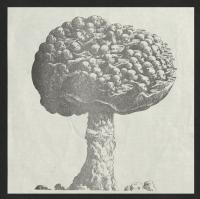
Visions of a Nuclear Apocalypse: Notions of Nature in the 1970s Antinuclear Movement
An enduring legacy of the antinuclear movement is its construction of a narrative connecting human survival to nature’s beneficence.
An enduring legacy of the antinuclear movement is its construction of a narrative connecting human survival to nature’s beneficence.

In this “Industrial Civilization Collapse!” First Pre-anniversary issue of Live Wild Or Die! Jerry Mander asks readers to smash their computers, and Ward Churchill debunks pacifism as pathology.

In an increasingly inhumane world, this article argues that socioecological justice can only be achieved by embracing human nature.

The project Everyday Futures explores the role museums can play in helping to make sense of Australia’s experiences during a time of rapid planetary change and global disruption.
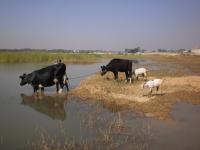
The urbanization of Bangalore transformed the once-strong relationship between communities and the lakes that they once created and maintained.
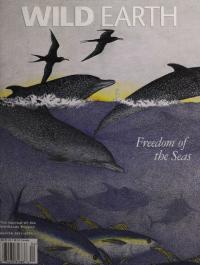
Wild Earth 12, no. 4, features an interview with Sylvia Earle on “Our Oceans, Ourselves,” essays on worldwide fishing and consumer conscience, on launching a sea ethic, and the food web complexity in kelp forest ecosystems.

A chapter of the virtual exhibition “Beyond Doom and Gloom: An Exploration through Letters,” this letter shows apprecation to the hopeful spirit of Rachel Carson. The exhibition is curated by environmental educator Elin Kelsey.
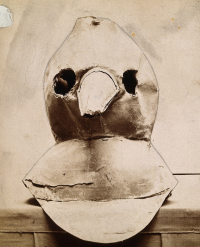
What can we learn from human responses to epidemics and pandemics in history? What insights can ecological and environmental humanities perspectives provide? This new and growing collection of annotated links to open-access media (analyses, primary sources, and digital resources) helps put pandemics in context.