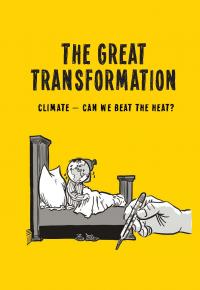
Die Wahrheit ist auf dem Feld: Eine Wissensgeschichte der deutschen Landwirtschaft
A history of German agricultural technologies and the environmental problems they have given rise to since the nineteenth century.
Inspired by courses they’ve developed at Stanford, Mike Osborne and Miles Traer created the Generation Anthropocene podcast, a volunteer-based audio show featuring thought leaders.
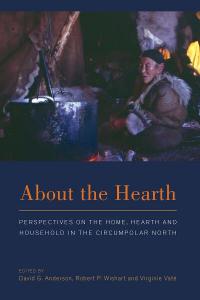
Through interdisciplinary work in the circumpolar north, About the Hearth refocuses on issues of material culture and social organization in indigenous and local communities. In the process, it makes some compelling ethnographic and theoretical arguments.
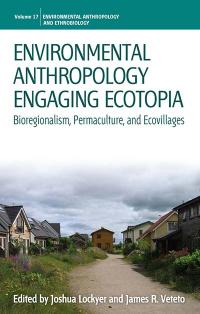
Environmental Anthropology Engaging Ecotopia brings together case studies from across the globe to reveal underlying cultural ontologies and call for more integration between the work of scholars and practitioners.
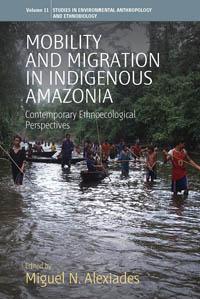
Mobility and Migration in Indigenous Amazonia challenges the idea of indigenous knowledge and cultures as static,and explores multiple facets of ethnoecology and mobility in Amazonia and beyond.
Modern Crises and Traditional Strategies evaluates local and indigenous ecological knowledge which may help populations cope with insecurity due to environmental, sociopolitical and economic stressors, through positive examples from Southeast Asian islands.
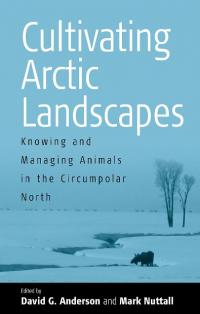
Cultivating Arctic Landscapes gives a well-rounded portrait of wildlife management, aboriginal rights, and politics in the circumpolar north. The book reveals unexpected continuities between socialist and capitalist ecological styles, and addresses the problems facing a new era of cultural exchanges between aboriginal peoples in each region.
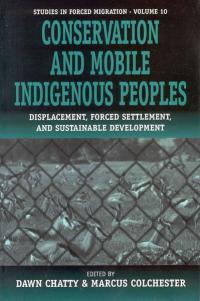
Conservation and Mobile Indigenous Peoples presents case studies on the effects of modern conservation projects on local and indigenous populations across the world, and highlights lessons to be learnt for sustainable development.
Life as a Hunt chronicles the history of the Valley Bisa people, their evolving landscapes and knowledge, and the ‘conservation battlefield’ their homeland has become.
Kluiving and Hamel explore why the Anthropocene emerged. They suggest that an analysis of global changes in human niche construction using geoarchaeological data offers new perspectives on the causes and effects of the Anthropocene.