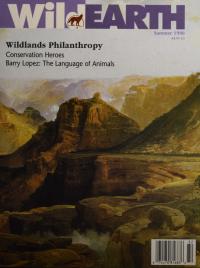
Wild Earth 8, no. 2
Wild Earth 8, no. 2 features articles on the connections between philanthropy and nature preservation and on the history of land protection in the US, as well as profiles of conservation heroes Howard Zahniser and Mardy Murie.
Wild Earth 10, no. 4 celebrates the journal’s 10-year anniversary with a retrospective of past highlights and many new contributions.
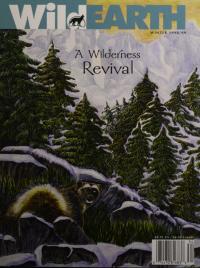
Wild Earth 8, no. 4 celebrates a “Wilderness Revival.” The essays present American and Canadian perspectives on wilderness and its values, wilderness politics, and wilderness campaigns both new and old.
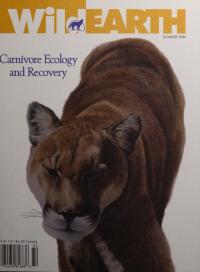
Wild Earth 9, no. 2 is dedicated to the topic “Carnivore Ecology and Recovery.” Articles discuss Yellowstone grizzlies, Oregon wolves, and the cultural and biological roles of carnivores.
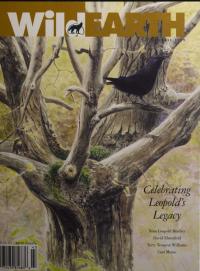
Wild Earth 9, no. 3 celebrates Aldo Leopold’s legacy. Also in this issue are reports on the Loomis Forest Wildlands, the Southern Rockies and the Grand Canyon ecoregion, and indigenous knowledge and conservation policy in Papua New Guinea.
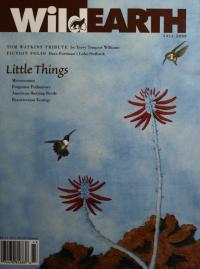
Wild Earth 10, no. 3 features essays on “little things”: the microbial microcosm, forgotten pollinators like birds and bats, the American burying beetle, and butterflies.
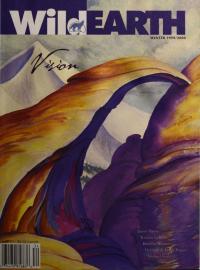
Wild Earth 9, no. 4 features visionary essays that reimagine the future. Topics include abolitionism and preservationism, the environment and the US constitution, and the Buffalo Commons.
In this episode from the New Books Network podcast, Nancy Fraser is interviewed on her recent book, Cannibal Capitalism: How Our System Is Devouring Democracy, Care, and the Planet and What We Can Do about It .
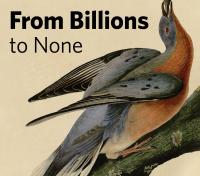
This film examines the rapid extinction of the passenger pigeon by 1914, its lessons for the future, and plans from the “de-extinction” movement to reverse the event using genetic science.
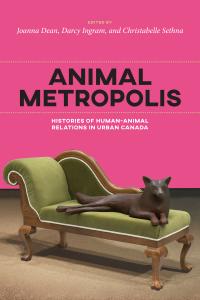
This collection brings a Canadian perspective to the growing field of animal history, ranging across species and cities, from the beavers who engineered Stanley Park to the carthorses who shaped the city of Montreal. Some essays consider animals as spectacle, while others examine the bodily intimacies of shared urban spaces.