

Multimedia | interviews and talks
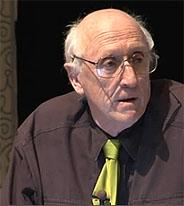
Brand, Stewart, "4 Environmental Heresies"
Stewart Brand talks about cities, nuclear power, genetic modification, and geo-engineering.
Stewart Brand talks about cities, nuclear power, genetic modification, and geo-engineering.
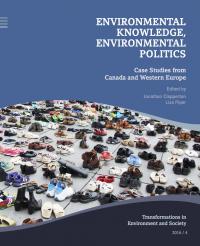
This article traces the development of environmentalism in Portugal, and particularly the role of environmental NGOs as producers of expert knowledge to be used in policy making. The Portuguese environmental movement has professionalized rather than formalizing as green political parties. Portuguese environmentalism has adapted and evolved under authoritarian regimes, neoliberalism, European integration, and the financial crisis.

Clive L. Spash traces the thinking of a sub-group of established economists trying to convey an environmental critique of the mainstream into the late 20th century, via the development of associations and journals in the USA and Europe.
In this essay, Eric Reitan analyzes the claims of the “wise-use” movement, its implications for private property rights and the extent to which these rights should influence public policy decisions.
Allan Greenbaum discusses environmental thought as cosmological intervention.
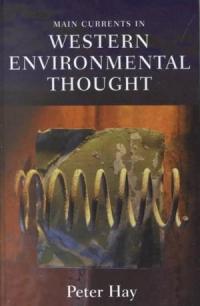
Main Currents in Western Environmental Thought provides an inclusive and balanced survey of the major issues debated by Western environmentalists over the last three decades.

This article applies new understandings of environmental justice theory to a specific local case study. It uses a broader conception of environmental justice theory to further our understanding of the rise of the German anti-nuclear movement.

John R. Gillis critiques the landlocked nature of environmental history, highlighting its neglect of oceans, which comprise most of Earth’s surface and are central to its ecosystems.
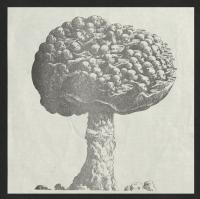
An enduring legacy of the antinuclear movement is its construction of a narrative connecting human survival to nature’s beneficence.
Jost Halfmann illustrates the differences between images of risk by comparing the American and German anti-nuclear movements.