

Multimedia | image
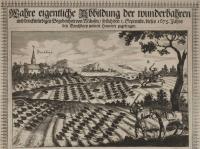
Broadsheet: “Depiction of a Memorable Incident with Mice,” 1675
A curious and memorable incident with mice around the village Brochdorp near Hannover in 1675.
A curious and memorable incident with mice around the village Brochdorp near Hannover in 1675.
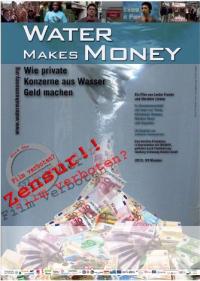
This film investigates the increasing trend towards privatizing control of water resources, and the response of cities, organizations, municipalities, and communities.
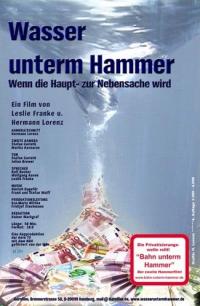
This film follows the results of water privatization in Germany and England.

This film examines the life of a German town some decades after a nuclear plant inspired nationwide resistance.
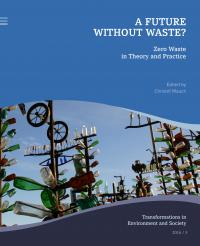
Is a world without waste truly achievable? The essays in this volume of RCC Perspectives discuss zero waste as a vision, as a historical concept, and as an international practice. Going beyond the motto of “reduce, reuse, recycle,” they reflect on the feasibility of creating closed material cycles and explore real-world examples of challenges and successes on the way to zero waste.
The participants in a roundtable discussion that took place in May 2013 at LMU’s Center for Advanced Studies draw on their collective experience in engineering, anthropology, environmental justice, and city politics, in order to explore the impact of waste, and the strategies we should, and currently do, employ as we work towards zero waste in the world.
This article applies new understandings of environmental justice theory to a specific local case study. It uses a broader conception of environmental justice theory to further our understanding of the rise of the German anti-nuclear movement.

The essay sheds light on the implications of Chernobyl as a national site of memory in Germany, France, and Belarus. The comparative perspective reveals the importance of underlying structures such as national (nuclear) politics, elite and expert culture, environmentalism, and the role of individual agency.
This essay discusses methodological difficulties of the established concept of social memory for the analysis of energo-political discourse. It examines the case study of the German-Russian energy cooperation on the natural gas market which began with the discovery of the Urengoi gas field in 1966.
This essay traces the history of the nuclear risk discourse and policy in West Germany from the first use of the term GAU in the 1960s to the present. A close examination of the term reveals that it is in fact ambiguous, oscillating between support of nuclear energy and criticism of it.