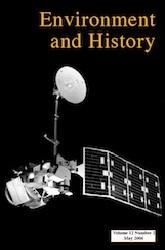
"Selling the Space Age: NASA and Earth's Environment, 1958–1990"
McQuaid advances the view that NASA consistently misread the importance of the most popular science-based political movement of the late twentieth century.
Thomas R. Dunlap discusses the development of birding and its long-term public influence in the USA through the history of field guides.
Nicholas Babin´s review of the book Organic Sovereignties by Guntra A. Aistara.
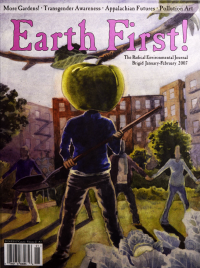
Earth First! 27, no. 2 features articles on nuclear resistance in Germany, Trinidad community’s fight against the Alcoa aluminum smelter, Molokai’i activists’ battle to “save the last Hawaiian island”, and the self-sustaining community Umoja Village Shantytown in Miami.
This film examines the life of a German town some decades after a nuclear plant inspired nationwide resistance.
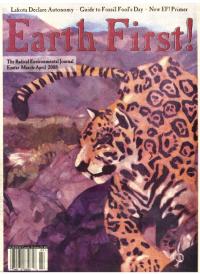
In Earth First! 28, no. 3 the Lakota Freedom Delegation declares withdrawal from all treaties with the US, the Buffalo Field Campaign explains it’s long-lasting fight for more tolerance and expanded habitat for the buffalo, and sexual safety within the movements is discussed.
Earth First! 27, no. 4 features Skyler Simmons’ report on the occupation of West Virginia’s governor by anti-coal environmentalists, the whale protecting “Operation Leviathan,” and Jenny Weber recounts the anti-logging action in Tasmania’s Weld Valley.
This film examines how farmers in Mali are resisting the loss of their land to corporate farming initiatives.
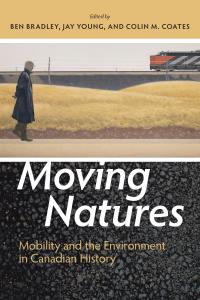
This collection highlights three quintessentially Canadian themes: seasonality, links between mobility and natural resource development, and urbanites’ experiences of the environment through mobility. It divides the intersection of environmental and mobility history into two approaches. The chapters in the first section deal primarily with the construction and productive use of mobility technologies and infrastructure, as well as their environmental constraints and consequences. The chapters in the second section focus on consumers’ uses of those vehicles and pathways: on pleasure travel, tourism, and recreational mobility.

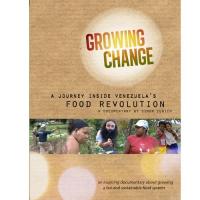
This film examines the development of a new, more localized food system in Venezuela.