

Arcadia
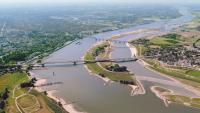
Metamorphosis of a Waterway: The City of Nijmegen Embraces the River Waal
Nijmegen’s “Room for the Waal” project is a leading example for the application of the “making room for the river” water management approach.
Nijmegen’s “Room for the Waal” project is a leading example for the application of the “making room for the river” water management approach.
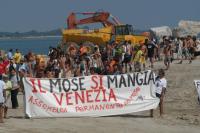
In the early 2000s, a coalition of citizen-activists in Venice denounced the state’s massive flood-barrier project, raising public participation in the fate of the lagoon.
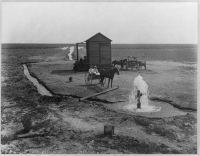
The agricultural landscape of California was based on a complex system of aqueducts that created the illusion of “normal” climatic variation.
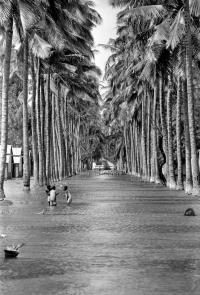
A historically grounded interpretation of Lake Tanganyika’s rising lake waters shows that global warming presents just one of many challenges facing the region.
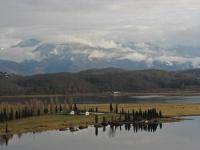
In 1969, the Georgian resort of Pitsunda and its beach were severely damaged by a storm. This was largely due to an ongoing process of coastal erosion caused by anthropogenic influences.

A farmer on the !Garib/Orange river in Namibia uses historical flood markers to challenge eviction in the post-apartheid landscape.
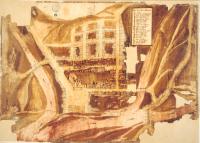
Historical documents indicate that the disasters caused by mining in Brazil are a reality since the eighteenth century.
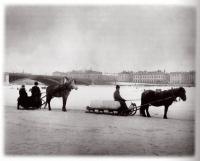
Since its foundation in 1703, the history of St. Petersburg is closely linked to the Neva River. The Neva is the biggest and the most important river in the Eastern Baltic. The citizens of St. Petersburg constructed complex technologies of river control that enabled them to live cheek by jowl with the mighty and self-willed stream.
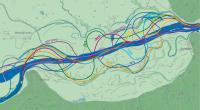
The history of the Danube regulation in the Austrian Machland during the nineteenth century shows the enormous efforts made to transform a dynamic river landscape into a navigable waterway and a stable floodplain that supports the various human demands.
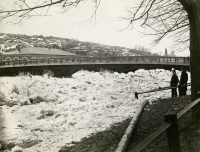
Historical documents provide detailed descriptions of ice-jam flood events and climate impacts in riverine communities.