

Arcadia
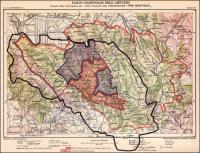
Nature, Beauty, Tourism: The Concurrent Roots of Abruzzo National Park
In the early 1920s one of the first European national parks was established in a densely populated area to foster both nature protection and economic growth.
In the early 1920s one of the first European national parks was established in a densely populated area to foster both nature protection and economic growth.
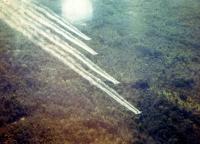
The Vietnam War introduced a new language for the environmental impacts of modern warfare, and 50 years later, profound long-term consequences for people and nature remain.

The Mennonite migrations from Ukraine to Kansas in 1874 transformed traditional tallgrass prairie for grain production.

The hydroelectric dam “Site C” impacts not only the local environment but also the everyday life of indigenous groups.

This article introduces a case for engaging with religious worldviews which can support the cause for environmental justice.

The 1987 nuclear power referendum was a major political victory for the Italian environmental movement. In the wake of the Chernobyl nuclear disaster, it led to a moratorium on building nuclear plants in Italy.
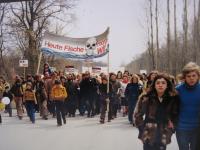
During the 1970s, anti-nuclear activists in the Upper Rhine Valley worked together to oppose a series of reactor projects planned for their region. Their daring actions drew attention to this rural borderland, spread awareness of the dangers of nuclear energy, and thus furthered the development of national anti-nuclear movements.
The historical politicization of the invasive black locust in Hungary.
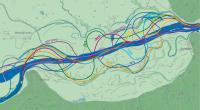
The history of the Danube regulation in the Austrian Machland during the nineteenth century shows the enormous efforts made to transform a dynamic river landscape into a navigable waterway and a stable floodplain that supports the various human demands.

A farmer on the !Garib/Orange river in Namibia uses historical flood markers to challenge eviction in the post-apartheid landscape.