

Arcadia
Boiling Memories: Thermal Waters as Nexus of Trauma and Community Agency in Draginovo’s Mnemonic Waterscape
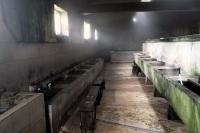
In 1971, the Bulgarian Socialist government destroyed the cemetery of a Pomak village and built a public bath on its place.
In 1971, the Bulgarian Socialist government destroyed the cemetery of a Pomak village and built a public bath on its place.
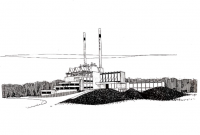
How does a waste incinerator take part in the production of a Swiss landscape?
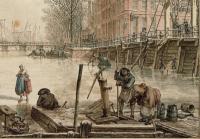
During the Little Ice Age’s harsh winters, frozen waterways posed challenges and opportunities in the Dutch Republic.
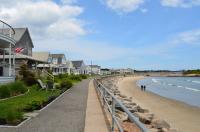
An east-coast beachfront neighborhood faces a difficult decision about how to respond to storms and rising seas.
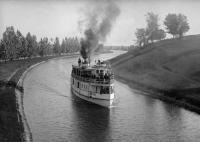
Emerging from an Indigenous Nishnaabeg ontology, “survivance” calls for an understanding of other-than-human persons as agentially surviving and resisting colonial violence.

In the face of neglect and exclusion, Nairobi slum dwellers have found ways to provide for themselves, diverting water from the grid and selling it to other residents.
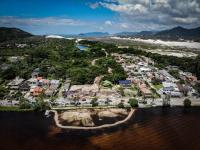
In 2021, a disaster in Florianópolis prompted a lawsuit that might have far-reaching effects on environmental law.
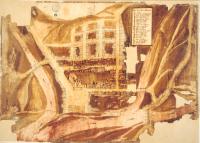
Historical documents indicate that the disasters caused by mining in Brazil are a reality since the eighteenth century.

At the turn of the twentieth century, Gloucester, Massachusetts, emerged as one of the most significant US fishing ports.