ASLE EcoCast: Ashes to Ashes: Poetry and Conversations with Cheryl J. Fish
In this episode of ASLE’s official podcast, Jemma Deer and Brandon Galm interviews Cheryl J. Fish, author of Crater & Tower.
In this episode of ASLE’s official podcast, Jemma Deer and Brandon Galm interviews Cheryl J. Fish, author of Crater & Tower.
In this episode of ASLE’s official podcast, Jemma Deer and Brandon Galm interviews Una Chaudhuri on the topic of eco-theatre.
This article presents an overview of the environmental history of the Brazilian Cerrado, its environmental characteristics and the processes related to the historical change in the landscapes of this endangered ecosystem.
This edited radio-show transcript provides personal accounts of women’s experiences in rural Ireland during the transition to electricity.
Sayer looks at candles as an example of how less prominant energy sources and uses play key roles in energy transitions.
This film is an audio-visual ethnographic project lived together with the peasant family Franco Gauto, in Colonia Luz Bella, rural Paraguay.
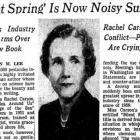
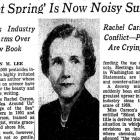
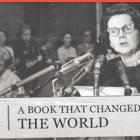
This is Chapter 6 of the exhibition “Rachel Carson’s Silent Spring: A book that changed the world” by historian Mark Stoll.
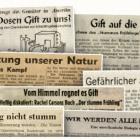
This virtual exhibition presents the global reception and impact of Rachel Carson’s Silent Spring as well as the book’s legacy in popular culture, music, literature, and the arts.
This version 2, published in 2020, includes minor updates to the original 2012 virtual exhibition (view PDF here) and applies the Environment & Society Portal’s responsive layout.
Mark Stoll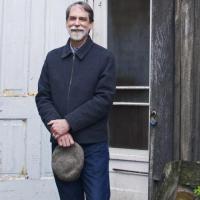
Libby Robin discusses animals in museums, and how taxidermy has changed from art in the service of science to the backbone of art itself, both in museums and beyond.
Libby Robin and Cameron Muir discuss representations of the Anthropocene in museums and events.