

Exhibition chapter
Milestones of the Anthropocene | Welcome to the Anthropocene
This is a chapter of the virtual exhibition “Welcome to the Anthropocene: The Earth in Our Hands”—written and curated by historian Nina Möllers.
This is a chapter of the virtual exhibition “Welcome to the Anthropocene: The Earth in Our Hands”—written and curated by historian Nina Möllers.
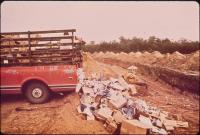
This chapter from the virtual exhibition “The Life of Waste” considers the myriad practices of managing waste, such as burning, burying, discarding, disposal, reuse, and recycling.

This is Chapter 8 of the exhibition “Rachel Carson’s Silent Spring: A book that changed the world” by historian Mark Stoll.
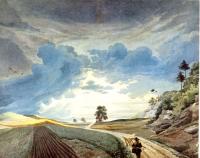
In this chapter of her virtual exhibition “Human-Nature Relations in German Literature,” Sabine Wilke discusses texts that register transformations of landscapes or take a position on their causes. For the German-language version of this exhibition, click here.
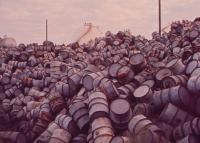
Introductory chapter to the virtual exhibition Toxic Relationships: Uncovering the Worlds of Hazardous Waste.

With examples ranging form poetry to novels, literary scholar Hsu Hsuan presents a selection of literature on militarized landscapes. This is a chapter of the virtual exhibition “Representing Environmental Risk in the Landscapes of US Militarization.”

In this chapter of the virtual exhibition “Energy Transitions,” historian Nuno Luís Madureira argues that the study of such transitions itself has gone through changes over the course of history.
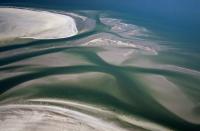
Several national parks along the Wadden Sea coastline between the Netherlands and Germany have become part of the United Nations transboundary Wadden Sea World Heritage site.
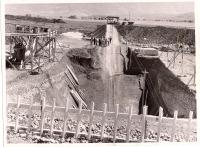
With the drying of its sister lake for purposes of agricultural development, Pamvotis is suffering accelerating degradation.
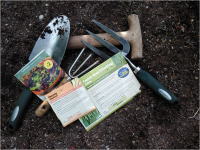
Since the 1960s, the community food movement in the United Kingdom has evolved from a means of survival to an alternative to industrialized agriculture.