

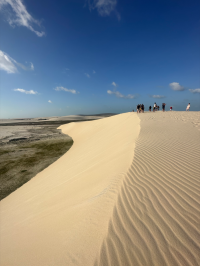
Exhibition chapter
Sea, Dunes, Winds, and People: Connections That Transform | Once Upon a Dune
A reflection on the balancing of tourism with environmental preservation by Davis de Paula.
A reflection on the balancing of tourism with environmental preservation by Davis de Paula.
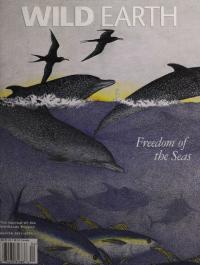
Wild Earth 12, no. 4, features an interview with Sylvia Earle on “Our Oceans, Ourselves,” essays on worldwide fishing and consumer conscience, on launching a sea ethic, and the food web complexity in kelp forest ecosystems.
A chapter of the virtual exhibition “Beyond Doom and Gloom: An Exploration through Letters,” this letter shows apprecation to the hopeful spirit of Rachel Carson. The exhibition is curated by environmental educator Elin Kelsey.
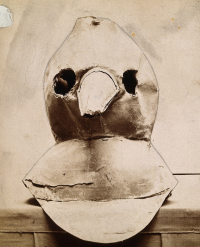
What can we learn from human responses to epidemics and pandemics in history? What insights can ecological and environmental humanities perspectives provide? This new and growing collection of annotated links to open-access media (analyses, primary sources, and digital resources) helps put pandemics in context.
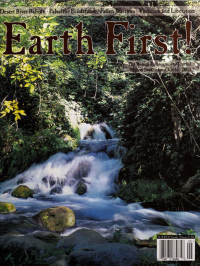
Earth First! 25, no. 6 is devoted to campaigns and activists in Canada, the United States and Palestine who deal with river, mountain and forest conservation, and fight for animal rights and against pollution and apartheid.
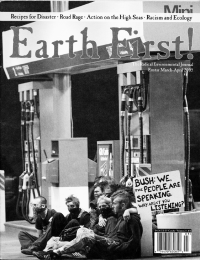
Earth First! 25, no. 3 features a call on action for ocean species going extinct, such as the Leatherback turtle, presents the Sea Shepherd Conservation Society’s first mate, and focuses with biotechnology.
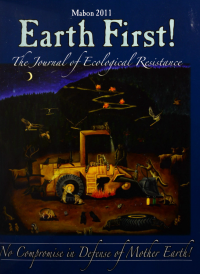
Earth First! Journal 31, no. 4 features “An EF!ers Guide to Citizen Monitoring of Water Pollution Discharge Permits,” as well as essays on GPS tracking, border policy, and “Canopy Occupation Against Coal.”
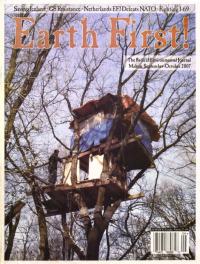
In Earth First! 27, no. 6 activists report on defending wilderness in Iceland, Brazil’s movement of landless workers, the 2007 Wild Earth gathering, monkeywrenching caterpillars, reclaiming land rights in Canada, and new biofuel made out of forest biomass.

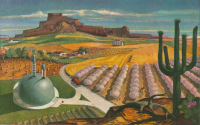
The blooming desert in a 1940s magazine ad showcases the idyllic landscapes and conspicuous absences in atomic bucolic imagery.