

Arcadia
Lahar Meets Locomotive: New Zealand’s Tangiwai Railway Disaster of Christmas Eve 1953
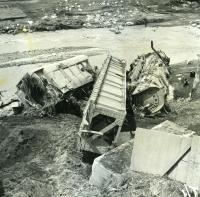
The Tangiwai disaster of 1953, New Zealand’s worst railway accident, is an environmental disaster with an enduring legacy.
The Tangiwai disaster of 1953, New Zealand’s worst railway accident, is an environmental disaster with an enduring legacy.
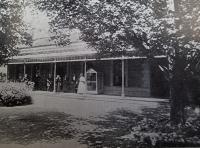
In the nineteenth century, tuberculous individuals could travel from Europe to Echuca, Australia, in search of a cure.
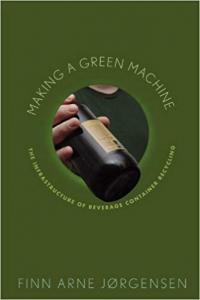
Finn Arne Jørgensen examines the development of the Scandinavian beverage container deposit-refund system, which has the highest return rates in the world, from 1970 to the present day. He reveals the challenges faced when the system was exported internationally and explores the critical role of technological infrastructures and consumer convenience in modern recycling.
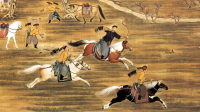
This article proposes a new definition of baroque to better understand the global dimensions of the representation of nature by the Qing dynasty.
This volume explores the potential contribution memory studies can make to policymaking, in particular on conservation and disaster resilience.
Fredriksson et al. discuss the relationship between flood risk management and collective memory.
Sutherland explores the practice of controlled burning in Canadian national parks.
LaRocco examines how the San people of Botswana use memory as a form of claim-making to contest their marginal position.
Bolton explores how Natural England creates landscape management plans in partnership with local communities.
Colten and Grismore examine the Amite River flood in August 2016 against the backdrop of collective flood memory and public policy.