

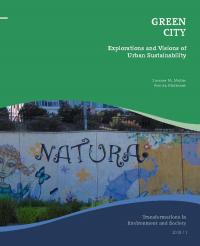
Perspectives Article
A Tale of Two Cities: Climate Policy in Münster and Dresden
Cindy Sturm looks at differences in climate-related policymaking Münster and Dresden.
Cindy Sturm looks at differences in climate-related policymaking Münster and Dresden.
Nir Barak explores the limits of techno-managerial approaches towards creating greener cities.
Vanesa Castán Broto critiques sustainable development agendas that approach green cities as merely engines of economic growth.
Melosi analyzes the Emerald City in L. Frank Baum’s novel The Wonderful Wizard of Oz to highlight how limited perspectives on urban greenness once were.
Rigby reimagines green cities from an interdisciplinary environmental humanities perspective to see how they can also be sites of more-than-human prosperity.
Rob Krueger argues that art provides a way of framing the disconnect between “green metropolitanization” and its emancipatory potential.
Dorothee Brantz and Avi Sharma discuss the history of green urban visions, looking at historical precedents of the modern green city.
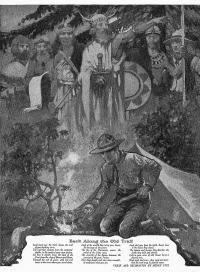
These Boy Scout images, particularly focused on the 1919–1925 era, demonstrate that human labor and history permeated popular American nature ideology and hiking practices at that time.

This short film combines remote sensing, qualitative interviews, desk research, and illustrations to show the complexities and controversies surrounding mangrove reforestation in Senegal and The Gambia.
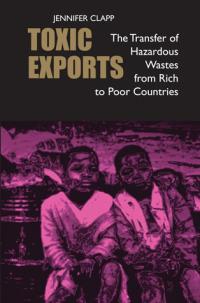
Jennifer Clapp examines the nature of international trade in toxic waste and the roles of multinational corporations and environmental NGOs. Waste transfer has become a routine practice for firms in industrialized countries and poor countries accept these imports but struggle to manage the materials safely. She argues that governments have failed to recognize the voices of protest.