


Perspectives Article
We Should All Have the Right to Link Ourselves More Directly to the Land
Looks at the relations between “man and the land” through the lens of part-time farming in Italy and China.
Looks at the relations between “man and the land” through the lens of part-time farming in Italy and China.
Short food chains not only create a sense of community and of “living together” by building trust and social bonds, they also generate jobs and strengthen local economies. Yet despite these social and economic benefits, local food systems are threatened by transnational corporations gaining monopoly control over different links of the food chain and the modernist development agenda that encourages jobs in sectors other than food production.
Why do people want to eat locally? This essay considers the drive for local food as a consumer movement in the United States, suggesting that we can look at the past to learn valuable lessons for challenges we face today.
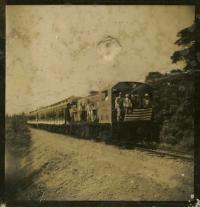
This article is a critique of the “open door” development policy promoted by the Liberian government after World War II, and shows the environmental and social impact of state reliance on foreign direct investment.
Eileen Crist argues that the discourse of the Anthropocene refuses to challenge human dominion, proposing instead technological and managerial approaches that would make human dominion sustainable.
This volume of RCC Perspectives offers insights into the motivations, benefits, and limitations of local food systems. It aims to shed light on the complexity of the debate while remaining unified by a single message: that where our food comes from and how it is produced matters.
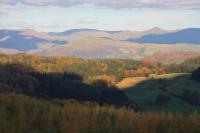
Matthew Kelly describes how national parks were a component of the social democratic transformation of post-war Britain, which quickly became a focus for anxiety about the rise of mass car ownership and agricultural intensification.
Daniel Philippon looks at local food and how it coincides with Slow Food, given that Slow Food constitutes both a distinctive articulation of the local food movement and the closest thing to an institutional embodiment of that movement as we are likely to find.
By bringing people together in collective gardening initiatives aimed at utilizing public space for the enjoyment of nature and the production of food, urban gardeners actively take part in local political decision-making processes.
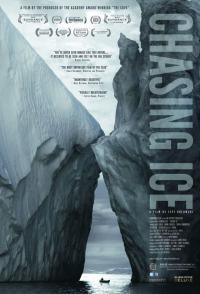
This film follows photographer James Balog’s multi-year record of the impacts of climate change on the Arctic.