Science and Politics in the International Environment
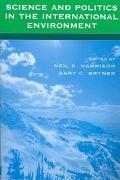
This book seeks to explain what science and politics are in the context of environmental policymaking and how the interplay of science and politics influences international environmental policy.
Geography and History is the first book for more than a century to examine comprehensively the interdependence of the two disciplines.
George Perkins Marsh (1801-1882) was the first to reveal the menace of environmental misuse, to explain its causes, and to prescribe reforms. David Lowenthal here offers fresh insights, from new sources, into Marsh’s career and shows his relevance today.
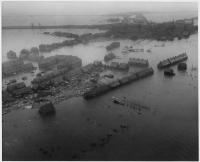
The North Sea flood of 1953 caused widespread damage and approximately 2,400 fatalities in the UK, the Netherlands, and Belgium. As devastating as it was, the flood also triggered many changes in how the countries surrounding the North Sea manage their flood risk, including the development of improved warning systems and various protection schemes.
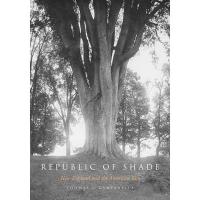
Traces the elm’s transformation from a fast-growing weed into a regional and national icon.
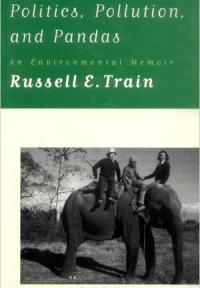
A memoir of the author’s life and his strong interests in wildlife, conservation, and major environmental organizations.
This book traces the rise of Republican challenges to environmental laws in the United States and shows what they mean for the future of environmentalism in the political arena.
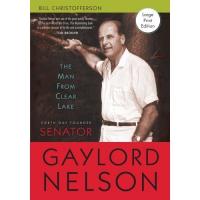
A biography of the Earth Day Founder Senator Gaylord Nelson.
Taking a historical, cross-cultural, and trans-disciplinary perspective, this e-book includes some of the most recent references in the scholarly and policy literature on food, agriculture, environment, and livelihoods. The photos and the embedded video clips, animations, and audio recordings show farmers, pastoralists, indigenous peoples, fishers, food workers, urban farmers, and consumers all working to promote food sovereignty, highlighting the importance of locally controlled food systems to sustain people and nature in a diversity of rural and urban contexts.

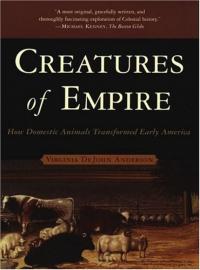
Anderson argues that livestock were a central factor in the cultural clash between colonists and Indians as well as a driving force in the expansion west.