


Arcadia
Peat-Powered Berlin: The Role of Peat in the Urban Energy Transition in the Mid-Nineteenth Century
Peat was a widely used fuel in mid-nineteenth-century Berlin that acted as a bridge in the energy transition between firewood and coal.
Peat was a widely used fuel in mid-nineteenth-century Berlin that acted as a bridge in the energy transition between firewood and coal.
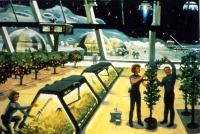
To live among the stars always meant solving the down-to-earth problem of sustainable waste management.

This article situates contemporary debates over kangaroo-population management within Australia’s violent history of settler-colonial occupation and attendant environmental transformations.
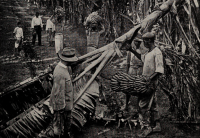
This article examines a “cure” for Panama disease in 1930s Jamaica, highlighting an attempt to profit off ecological vulnerability.

In 1908, Raymond Rallier du Baty and his crew struggled to reconcile their sympathy for elephant seals with their violence against them.

The historical politicization of the invasive black locust in Hungary.

An east-coast beachfront neighborhood faces a difficult decision about how to respond to storms and rising seas.

Emerging from an Indigenous Nishnaabeg ontology, “survivance” calls for an understanding of other-than-human persons as agentially surviving and resisting colonial violence.

As Himalayan wildlife is endangered by improper waste disposal practices, activist groups like Waste Warriors are working to solve this crisis.

In the face of neglect and exclusion, Nairobi slum dwellers have found ways to provide for themselves, diverting water from the grid and selling it to other residents.