

Arcadia
The Lake That Became a Bus Terminus
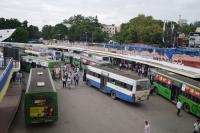
This article investigates the transformation of Bangalore’s Dharmambudhi lake into the central bus terminus.
This article investigates the transformation of Bangalore’s Dharmambudhi lake into the central bus terminus.
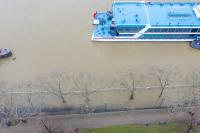
This article presents examples of ancient conceptions of rivers as more-than-human agents and their struggle with humans.
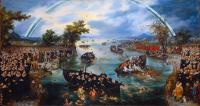
This article examines how issues of representation and aesthetics have impacted the environmental history of early modern Europe.
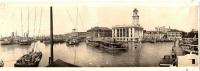
This article examines early twentieth-century China’s top-down scheme of managing rivers based on watershed.

The construction of the Serre-Ponçon dam in 1955 was the first step in the development of dams in the Durance River, the most regulated waterway in France
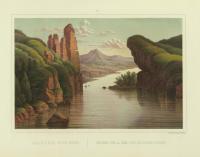
In 1947, inhabitants of Yakutsk gained access to potable groundwater from below the permafrost layer for the first time.

Numerous cartographic and written historical sources tell the story of the measures Vienna’s dynamic Danube riverscape underwent in an extensive effort to secure navigation between the main river arm and the city within the last 500 years.
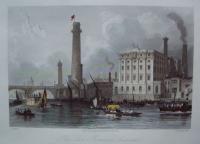
Making more beer for eighteenth-century London’s growing population increased the need for clean water. Efforts to guarantee supplies to the brewers had an effect on both urban and rural landscapes.
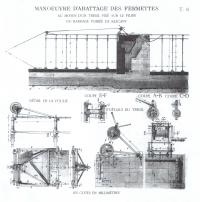
In the second half of the nineteenth century, projects aimed at improving ship-based commerce by connecting various rivers boomed. One such project was the establishment of an Elbe-Vltava-Danube canal, which, however, was never completed.
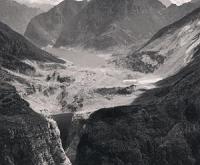
On October 9, 1963, a landslide above the Vajont Dam created a wave that destroyed several villages in the valley, killing about 2,000 people. Opinion as to whether to interpret the disaster as natural or one caused by human error remains divided.