


Exhibition chapter
Defining Wilderness—Japanese | Wilderness Babel
This chapter of the “Wilderness Babel” exhibition, written by MSc student Natasha Yamamoto, looks at how wilderness may be expressed and understood in Japanese.
This chapter of the “Wilderness Babel” exhibition, written by MSc student Natasha Yamamoto, looks at how wilderness may be expressed and understood in Japanese.
This chapter of the “Wilderness Babel” exhibition, written by historian Mikko Saikku, explores central concepts for understanding the traditional Finnish relationship with nature and use of natural resources.
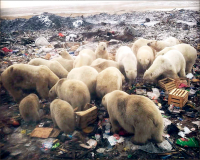
Polar bears invade Russian archipelago and town in Novaya Zemlya, northern Russia.

Rya Forest is a nature reserve in Gothenburg, Sweden, and historically an area of both appreciation and conflict.
This chapter of the “Wilderness Babel” exhibition, written by master’s student Luis Fernández Fernández, highlights different adjectives that are used in Catalan to describe wilderness.
This chapter of the “Wilderness Babel” exhibition, written by Tina Tin, highlights different words that are used in Chinese to describe wilderness.
In this part of the “Wilderness Babel” exhibition, historian Emily K. Brock writes about the Tagalog word bundok. The term translates literally as “mountain,” but its larger meaning as wilderness bears the inscription of global forces of war and empire.
This chapter of the “Wilderness Babel” exhibition, written by Iosif Botetzagias, looks at the meaning of “wilderness” in modern Greek.
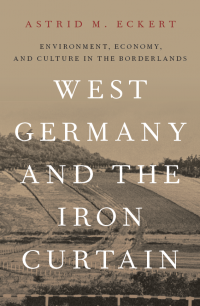
Astrid M. Eckert’s West Germany and the Iron Curtain takes a fresh look at the history of Cold War Germany and the German reunification process from the spatial perspective of the West German borderlands that emerged along the volatile inter-German border after 1945.

Excerpt from Animals and Society in Brazil, from the Sixteenth to Nineteenth Centuries.