

Multimedia | film profile
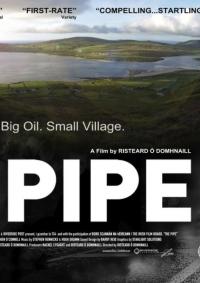
The Pipe
The Pipe tells the story of a small Irish community taking on the Shell Oil Company and their plans to build a pipeline through the village.
The Pipe tells the story of a small Irish community taking on the Shell Oil Company and their plans to build a pipeline through the village.
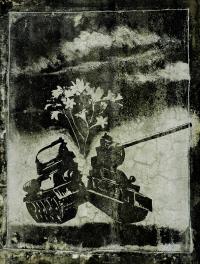
By presenting historical examples of protests and activism, literary scholar Hsu Hsuan shows that militarized spaces often are contested spaces as well, This is a chapter of the virtual exhibition “Representing Environmental Risk in the Landscapes of US Militarization.”

This film follows the aftermath of the Fukushima nuclear disaster in the former “exclusion zone” town of Futaba.

This film examines the life of a German town some decades after a nuclear plant inspired nationwide resistance.
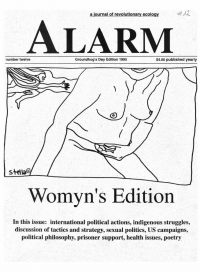
This issue of the ALARM is produced by women only. It is dedicated to the struggle to smash down patriarchy and save the planet, expresses solidarity with activists struggling against capitalist-patriarchal devastation as womyn, and “affirms our existence and our power on the front lines of the resistance.” Aimee Mostwill discusses pregnancy, abortion, and overpopulation; Judi Bari explains “why I am not a misanthrope.”
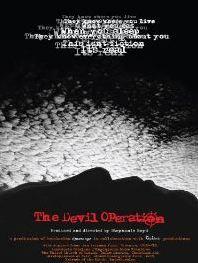
This film follows Father Marco, a priest who has earned a price on his head because of his opposition to Peru’s powerful mining companies.
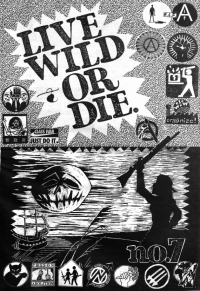
Live Wild or Die! no. 7 declares its attempt to be “unity” issue, crossing the boundaries that separate different movements. The issue covers fascism, work as wage-slavery, green anarchy, the millennium bug, and sexual liberation.
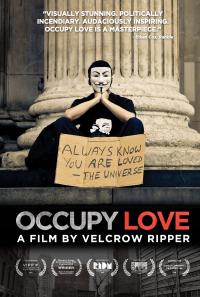
This film explores the Occupy protests and similar activist movements and what their vision for the world is.
This film examines political and economic crises and the role of a corporate military-industrial context in undermining democracy, and is narrated by actor Woody Harrelson.

This film uses the New Mexico chile pepper to investigate genetically modified foods and criticizes the practices of the companies involved.