

Arcadia
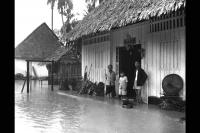
A Milestone on the Road to Independence? Singapore’s Catastrophic 1954 Floods
The flooding in Singapore in 1954 was one of the most significant floods on the island in the twentieth century.
The flooding in Singapore in 1954 was one of the most significant floods on the island in the twentieth century.

This case study reflects China’s environmental governance as a constantly evolving structure within the “environment-politics-society” nexus.

The Machine upgraded by Dufrayer was able to pump the impressive amount of 20,000 m3 per day but new concern threatened its existence: the Seine waters growing pollution.
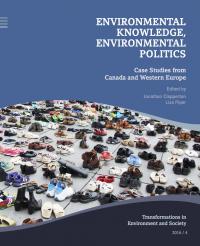
Sandlos and Keeling explore Indigenous resistance to arsenic pollution. Indigenous communities mobilized knowledge around environmental pollution and its health impacts. The authors show how this resistance to environmental racism is connected to other Indigenous struggles over industrial development and to issues such as land claims, sovereignty, and colonial dispossession.
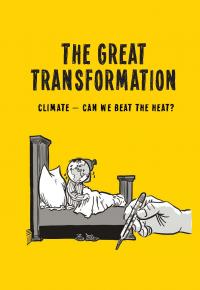
The comic The Great Transformation. Climate - Can We Beat the Heat? illustrates the 2011 report by the German Advisory Council on Global Change (WBGU). In nine episodes, WBGU members take on the role of comic heroes to explain the Great Transformation towards a climate-friendly, sustainable society.
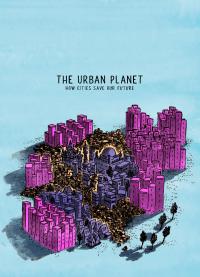
This comic The Urban Planet: How Cities Save Our Future condenses into an illustrated story the fundamental findings of Humanity on the Move: Unlocking the Transformative Power of Cities, a report published by the German Advisory Council on Global Change (WBGU).

Aquatic dead zones result from pollution caused by excessive fertilizer runoff and wastewater discharge. Their number and extent are increasing.
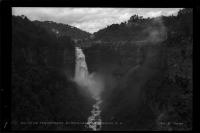
A 20th-century photograph of Salo de Tequendema in Colombia, taken by Gumersindo Cuéllar Jiménez.
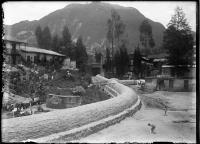
In addition to depicting a phase of the channelization works of the San Francisco River, this image shows Bogotá’s urban landscape, with the Eastern Mountains in the background and trees such as eucalyptus, pines and cypress along the river.
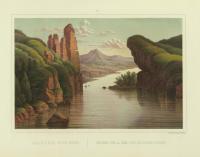
In 1947, inhabitants of Yakutsk gained access to potable groundwater from below the permafrost layer for the first time.