

Multimedia | film profile
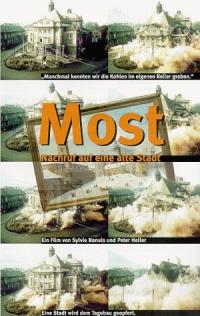
Most—Nachruf auf eine Alte Stadt [Most—An Old Town's Obituary]
The film tells the story of the town Most in Northern Bohemia, destroyed in the quest for coal.
The film tells the story of the town Most in Northern Bohemia, destroyed in the quest for coal.
This volume brings together a range of studies of cycling and cyclists, examining some of the diversity of practices and their representation.
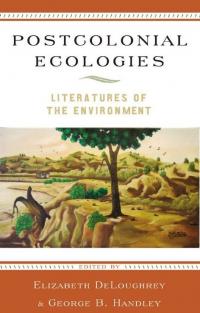
Postcolonial Ecologies: Literatures of the Environment is the first edited collection to bring ecocritical studies into a necessary dialogue with postcolonial studies.
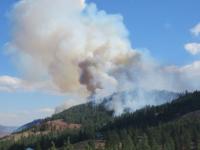
In 2014 and 2015 the Methow Valley in Washington State experienced the largest wildfires in the state’s history.
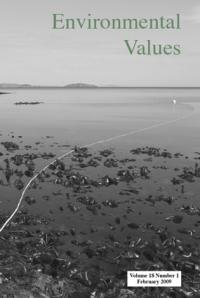
This article examines if the material and non-material values of nature can be reconciled and looks at the ecosystem services and the ‘elements of nature’ frameworks.
This article reaches the conclusion that, contrary to what has often been thought and recently argued, the impact of Darwin’s theory is precisely to liberate us to lead the most meaningful of lives.
This article takes a closer look at the Polish culture of nature. Visions of nature are defined as public views on what nature is, what values are carried by nature and what is the appropriate relationship between humans and nature.
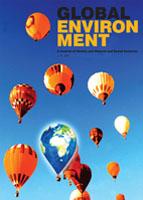
This study historicises environmental issues at the Chinhoyi Caves that are of contemporaneous resonance with the ecological crisis faced by the modern world. It deals with important themes like water-resource management, indigenous knowledge and its efficacy in the preservation of nature, colonialism and its environmental implications, forest use and deforestation, dislocation and displacement of indigenous people, and the interaction of the local with the global.
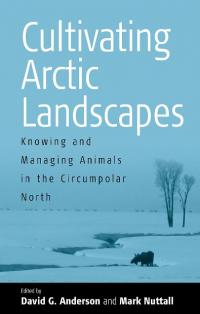
Cultivating Arctic Landscapes gives a well-rounded portrait of wildlife management, aboriginal rights, and politics in the circumpolar north. The book reveals unexpected continuities between socialist and capitalist ecological styles, and addresses the problems facing a new era of cultural exchanges between aboriginal peoples in each region.
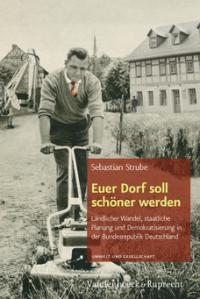
Euer Dorf soll schöner werden captures the transformation of Germany’s rural landscape through modernization between 1961 and 1979, through the inter-village contest, “Unser Dorf soll schöner werden” (“May our village become more beautiful”).